


According to ARC Advisory Group’s recent research, the Human-Machine Interface (HMI) software and services market is set for significant growth. In the automotive sector, the increasing production of electric vehicles (EVs) and batteries necessitates advanced HMI capabilities for efficient manufacturing processes. Sustainability and circularity initiatives in the food and beverage and consumer packaged goods (CPG) industries underscore the need for HMI solutions that support eco-friendly practices. Additionally, energy optimization remains a top priority across manufacturing sectors, driving the demand for HMI software that enhances operational efficiency. These factors highlight the importance of robust and adaptable HMI software solutions to meet the evolving needs of diverse industries. The global HMI software and services market is undergoing a transformative phase, propelled by Industry 4.0‘s technological advancements. HMI software serves as a crucial interface between humans and machines across various industries, enabling seamless communication, improving productivity, and enhancing safety. Key trends include the adoption of Industry 4.0, advanced visualization tools, remote monitoring capabilities, AI and machine learning integration, cloud integration, cybersecurity measures, and a focus on sustainability. The future of HMI software holds great promise, with innovations such as augmented reality interfaces and edge computing integration on the horizon.
"The HMI software market is witnessing substantial growth as HMIs transition from traditional machine control functions to central visualization units that display a wide array of data, including control parameters, environmental insights, MES data, and historical trends. This evolution allows HMIs to serve as comprehensive tools for operators, providing a holistic view of operations and enabling informed decision making. Vendors that offer integrated solutions bridging machine control and data visualization are well-positioned for growth, particularly as they incorporate advanced features like touchscreens, gesture recognition, and augmented reality. Additionally, the integration of AI and edge computing technologies enhances predictive maintenance and real-time analytics capabilities, further driving demand for HMI solutions in the context of smart automation and Industry 4.0 principles,” according to Siddhartha Maiti, Senior Analyst and key author of ARC's Human Machine Interface Software & Services Market Research.
HMI Software Market Trends
In addition to providing detailed competitive market share data, the research also addresses key market trends as follows:
- Transition Toward Thin Clients
- Wider Adoption of Mobile and Handheld Devices
- Evolution of HMI Software from EOI Panels to Versatile Visualization Solutions
- Rising Adoption of Off-Premises Cloud Computing
- Data Democratization
- Edge System Virtualization
- Rising Linux Adoption Driven by Containerization Trends
- OPC-UA
- Bring Your Own Device (BYOD)
- Big Data
- Multi-touch Screen
- Virtual Deployment Greatly Improves Software Management
- Collaborative Visualization Tools
- Subscription Service as a Business Model
- Impact of AR and VR
- Sustainability and Energy Optimization for EV and CPG/Food & Beverage Industries
- Server 2025
- Enterprise Visualization Interface (EVI)
Leading Suppliers to the HMI Software Market Identified
In addition to providing specific market data and industry trends, this ARC market research also identifies and positions the leading suppliers to this market and provides and summarizes their relevant offerings. An alphabetical list of key suppliers covered in this analysis includes: AVEVA, General Electric, Inductive Automation, Rockwell Automation, Siemens.
About the HMI Software Research
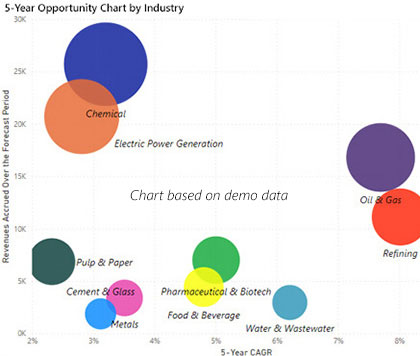 The Human Machine Interface Software research explores the current and future market performance and related technology and business trends and identifies leading technology suppliers. This new research is based on ARC’s industry-leading market research database, extensive primary and secondary research, and proprietary economic modelling techniques. The research includes competitive analysis, five-year market forecasts, and three years of historical analysis. The segmentation includes Machinery by Segment, Industry, Customer Type, World Region, Sales Channel, Service Revenues by Type, Deployment Model, Revenue Category, Software Revenues by Type, Microsoft Operating Systems, Operating Systems, Software Revenues By Microsoft Operating System, Software Revenues By Operating System, Overall Scope.
This new research is available in a variety of formats to meet the specific research and budgetary requirements of a wide variety of organizations. ARC's Market Data Service (MDS) is an annual subscription service that provides a unique online environment to each customer, together with all the necessary user interface apps and datasets. MDS unlocks the full benefits of ARC’s time-tested market intelligence by leveraging the latest analytical tools and technologies to allow you to make more actionable, real-time business decisions. Interactive access to ARC’s qualitative analysis is displayed in context with up-to-date market data, allowing clients to develop customized views of the market to best suit their needs. ARC continues to offer our traditional static Market Reports as a PDF.
ARC provides several types of market data services. The most common are Market Growth Outlook and Competitive Analysis Services. These services provide detailed market analysis of a single or multiple products or software applications. Please visit Market Data Services page for more details on these services.