


Recent research by ARC Advisory Group sheds light on the pivotal role of predictive maintenance in propelling the growth of the vibration sensors market. Vibration sensors are at the heart of modern industrial maintenance, providing real-time data that powers asset performance management (APM). These smart devices monitor machinery vibrations to detect early signs of wear or misalignment, enabling predictive maintenance that prevents breakdowns. In practice, a vibration sensor can flag a developing issue so that maintenance teams can fix it before it causes costly downtime. By pairing sensors with APM analytics, companies can achieve greater reliability and operational efficiency – machines run smoothly, and unplanned outages are minimized. In short, these sensors act as an early-warning system for asset health, extending equipment lifespan and boosting safety.
"Demand for vibration sensors is rising as industries opt for digital transformation and the Industrial IoT. Sectors from manufacturing to energy are integrating more sensors to support APM initiatives and achieve data-driven maintenance. This growth is fueled by proven gains: companies using vibration monitoring report fewer breakdowns, lower maintenance costs, and higher output. Reducing downtime through sensor-based alerts has become a key strategy for competitive advantage. Additionally, trends like wireless vibration sensors and AI-driven analytics make implementation easier and more powerful than ever. The result is that vibration monitoring is moving from a best practice to a standard requirement for any operation aiming to maximize asset performance. In an era focused on reliability and efficiency, vibration sensors have emerged as indispensable allies to run industries without a hitch,” according to Rajkumar Paira, Director of Research and key author of ARC's Vibration Sensors Market Research.
Vibration Sensors Market Trends
In addition to providing detailed competitive market share data, the research also addresses key market trends as follows:
- Big Data
- Vibration Analysis
- Advanced Analytics and Machine Learning
- Vibration Analysis Using Edge AI
- Vibration Monitoring with NeuromorphicFront End (NFE)
- From Critical Assets to Distributed Monitoring: A Shift in Vibration Sensing
- Wireless IoT Vibration Sensors
Leading Suppliers to the Vibration Sensors Market Identified
In addition to providing specific market data and industry trends, this ARC market research also identifies and positions the leading suppliers to this market and provides and summarizes their relevant offerings. An alphabetical list of key suppliers covered in this analysis includes: Amphenol, Baker Hughes, Emerson Automation Solutions, SKF, TE Connectivity.
About the Vibration Sensors Research
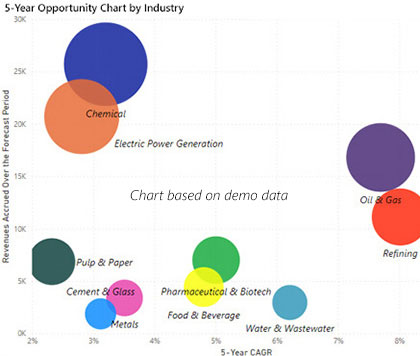 The Vibration Sensors research explores the current and future market performance and related technology and business trends and identifies leading technology suppliers. This new research is based on ARC’s industry-leading market research database, extensive primary and secondary research, and proprietary economic modelling techniques. The research includes competitive analysis, five-year market forecasts, and eight years of historical analysis. The research segmentation includes World Region, Sensor, Technology, Frequency Range, Industry, Machinery Segment, Customer Type, Sales Channel.
This new research is available in a variety of formats to meet the specific research and budgetary requirements of a wide variety of organizations. ARC's Market Data Service (MDS) is an annual subscription service that provides a unique online environment to each customer, together with all the necessary user interface apps and datasets. MDS unlocks the full benefits of ARC’s time-tested market intelligence by leveraging the latest analytical tools and technologies to allow you to make more actionable, real-time business decisions. Interactive access to ARC’s qualitative analysis is displayed in context with up-to-date market data, allowing clients to develop customized views of the market to best suit their needs. ARC continues to offer our traditional static Market Reports as a PDF.
ARC provides several types of market data services. The most common are Market Growth Outlook and Competitive Analysis Services. These services provide detailed market analysis of a single or multiple products or software applications. Please visit Market Data Services page for more details on these services.