


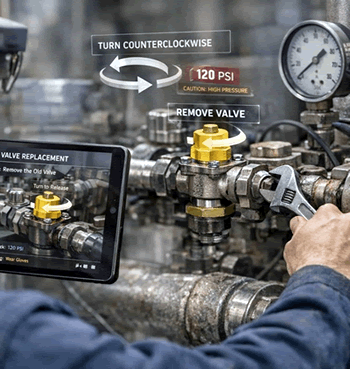
Industrial work processes are becoming increasingly complex, high-risk, and digitally integrated. As a result, there is a growing need for advanced digital worker technologies that can provide industrial employees with essential real-time support and information, to help them perform their duties more safely, efficiently, and effectively. A digital workforce encompasses a blend of technologies, tools, and human workers that collaboratively execute work processes within a digital environment. Digital worker technologies include software solutions and platforms designed to enhance or automate human work and may include AI-enhanced capabilities. These technologies help them stay connected to people, data, systems, and processes in real time.
"Digital worker technologies integrate enterprise and plant software systems such as ERP, EHS, MES, and EAM to connect digital platforms with frontline workers on the plant floor and in the field. By leveraging the data available in these systems, digital worker technologies are reshaping how information is accessed, how decisions are made, and how work is carried out. As a result, digital worker solutions are becoming an important mechanism for delivering critical operational information directly to frontline personnel, enabling them to interact more effectively with data while improving usability and overall user experience. Digital worker solutions are proving to be an effective tool to help the industrial workforce. With remote augmented communication, just-in-time training, as well as digital procedures, digital worker technologies can help the industry in numerous ways to better address the skills gap challenge," according to Inderpreet Shoker, Director of Research and key author of ARC's Digital Worker Technologies Market Research.
Digital Worker Technologies Market Trends
In addition to providing detailed competitive market share data, the research also addresses key market trends as follows:
Interest in Mobile Solutions
Interest in mobile-first solutions continues to grow. The use of a broad array of mobile devices—including smartphones, tablets, and wearables, is driving a “mobile-first” philosophy across maintenance and operations departments.
Incorporation of Digital Worker Tools by Automation Players
While there are many dedicated digital worker software companies in the market, leading automation solution providers are also incorporating this technology into their solutions. This greatly simplifies adoption for end users as various capabilities under the umbrella of digital worker technologies can be taken up as an add-on to existing software purchases.
Efforts to Overcome Skills Gap
In the manufacturing industry, there is an approaching mass exodus of skilled workers with few young people wanting to enter the field. With remote augmented communication, just-in-time training, as well as digital procedures, digital worker technologies can help the industry in numerous ways to better address the impending skills gap challenge.
Remote Collaboration for Effective Maintenance
Maintenance, training, and operations are the leading applications of digital worker solutions in the industrial world. Manufacturers and OEMs who need to provide maintenance services for their equipment spread across wide geographies are benefiting significantly from remote collaboration tools to reduce service costs and improve the profitability of these activities.
Digital Transformation Picks Pace
Across the globe, ARC is witnessing continued investment in advanced technologies. Leaders in the industry are already investing in digital transformation. As they adapt to be successful in the new digital world, this is helping pave the way for the successful adoption of digital worker technologies.
Leading Suppliers to the Digital Worker Technologies Market Identified
In addition to providing specific market data and industry trends, this ARC market research also identifies and positions the leading suppliers to this market and provides and summarizes their relevant offerings. An alphabetical list of key suppliers covered in this analysis includes: Innovapptive, Poka, PTC, Redzone, TeamViewer.
About the Digital Worker Technologies Research
The Digital Worker Technologies research explores the current and future market performance and related technology and business trends and identifies leading technology suppliers. This new research is based on ARC’s industry-leading market research database, extensive primary and secondary research, and proprietary economic modelling techniques. The research includes competitive analysis, plus five-year market forecasts. The research segmentation includes World Region, Revenue Category, Industry, Application, Customer Type, Sales Channel.
This new research is available in a variety of formats to meet the specific research and budgetary requirements of a wide variety of organizations. ARC's Market Data Service (MDS) is an annual subscription service that provides a unique online environment to each customer, together with all the necessary user interface apps and datasets. MDS unlocks the full benefits of ARC’s time-tested market intelligence by leveraging the latest analytical tools and technologies to allow you to make more actionable, real-time business decisions. Interactive access to ARC’s qualitative analysis is displayed in context with up-to-date market data, allowing clients to develop customized views of the market to best suit their needs. ARC continues to offer our traditional static Market Reports as a PDF.
ARC provides several types of market data services. The most common are Market Growth Outlook and Competitive Analysis Services. These services provide detailed market analysis of a single or multiple products or software applications. Please visit Market Data Services page for more details on these services.