Representative End User Clients







Representative Automation Clients







Representative Software Clients









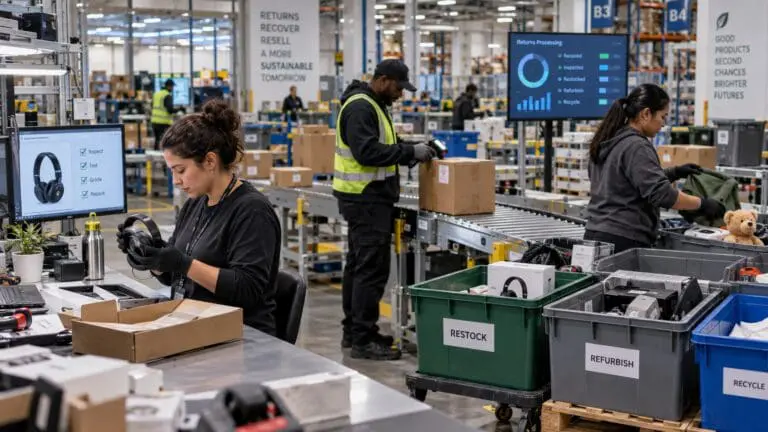
Retail returns have become too large to treat as a back-room transportation and warehouse process. With US retail returns projected at nearly $850 billion in 2025, reverse logistics increasingly affects inventory availability, working capital, fraud exposure, customer experience, and margin.
The critical issue is not simply how cheaply a return can be processed, but how quickly a company can determine the product’s current value and move it to the best economic disposition path. Faster decisions can improve resale recovery, reduce markdowns, support recommerce, and feed valuable information back into forward supply-chain planning. As returns grow in scale, reverse logistics is becoming less of a cost center and more of a value-recovery and inventory-management system.