Representative End User Clients







Representative Automation Clients







Representative Software Clients









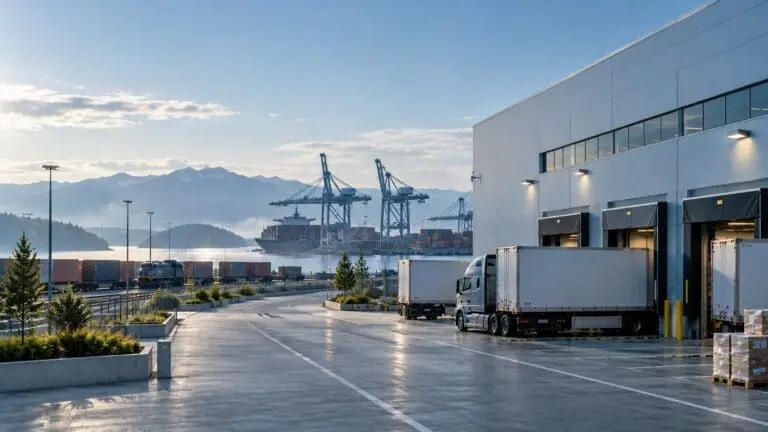
Logistics infrastructure is usually associated with warehouses, transportation networks, inventory systems, and software. But another form of infrastructure sits between those visible elements: the shared definitions, interfaces, operating rules, decision rights, and processes that allow different systems and organizations to work together coherently.
As logistics becomes more automated and AI-driven, that cohesion becomes increasingly important. Connectivity alone does not ensure that systems interpret data consistently or make coordinated decisions. Stronger architectural alignment can reduce coordination friction and create the foundation required for AI agents and automated systems to operate effectively across transportation, warehousing, inventory, suppliers, and customers.