Representative End User Clients







Representative Automation Clients







Representative Software Clients








Machine safety has traditionally been associated with physical safeguarding devices, emergency stop systems, safety controllers, and periodic risk assessments. While these remain essential, modern manufacturing requires a broader approach to safety—one that extends across the entire machine lifecycle.
Today’s production facilities must manage a growing volume of machine documentation, maintenance records, inspection reports, employee qualifications, and compliance requirements. As operations become increasingly connected, relying on paper-based records or disconnected software systems can make it difficult to maintain visibility and ensure regulatory compliance. This has led to the growing adoption of digital lifecycle platforms, which help manufacturers manage machine safety more efficiently, from design and commissioning through operation and maintenance.
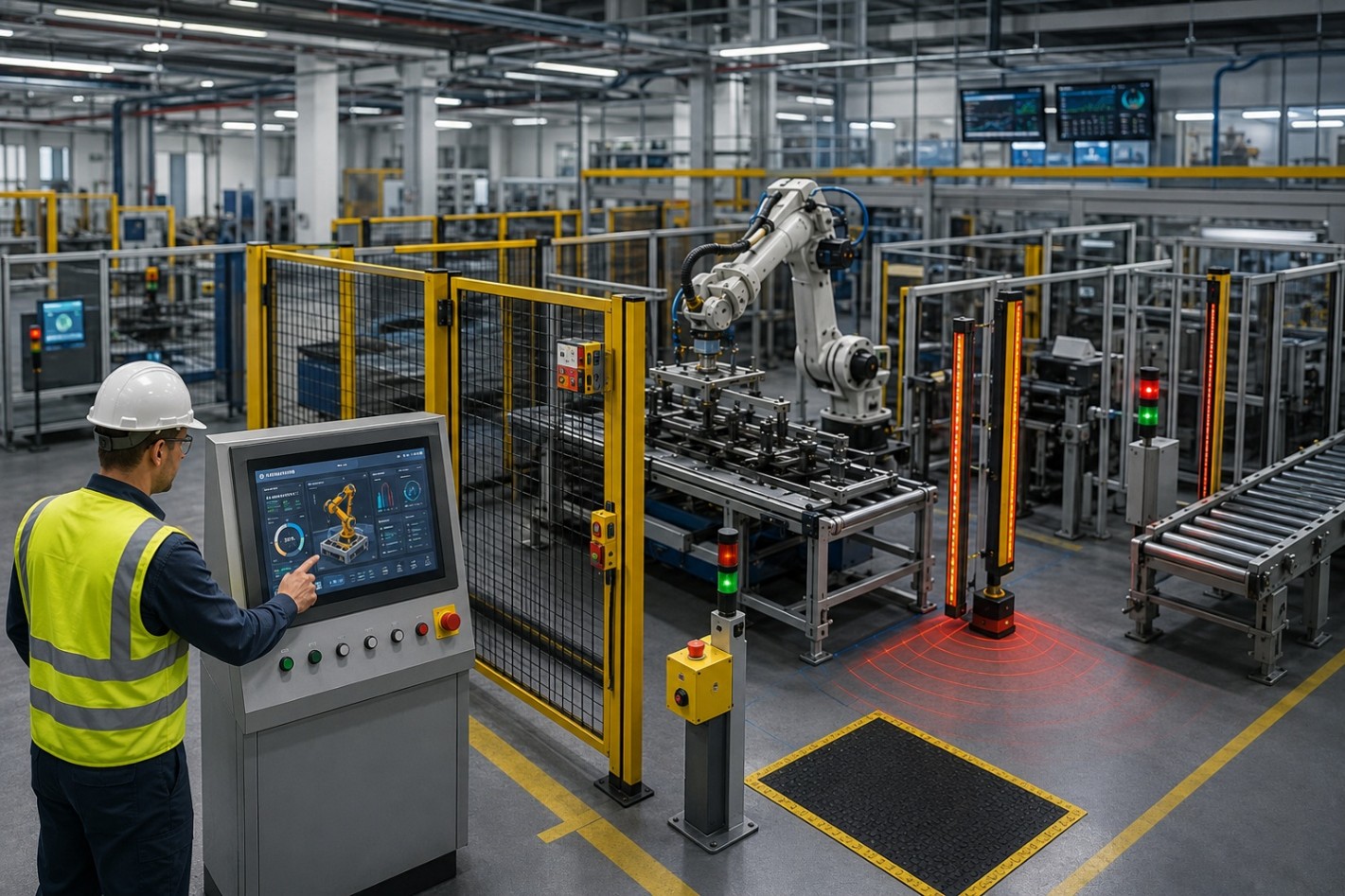
Digital lifecycle platforms provide a centralized environment in which machine-related information can be securely stored and easily accessed. Documents such as operating manuals, risk assessments, validation reports, maintenance logs, and compliance records can all be linked to individual assets, creating a single source of truth for production and safety teams.
Centralized access to this information not only simplifies day-to-day operations but also improves collaboration among engineering, maintenance, and safety personnel. It also makes audits and regulatory inspections more efficient by ensuring that critical documentation is readily available.
Maintaining compliance with machine safety standards requires continuous monitoring—not only during machine installation but throughout the machine’s operational life. Routine inspections, preventive maintenance, employee training, and access management all play critical roles in ensuring safe operations.
Digital lifecycle platforms simplify these activities through standardized workflows, automated reminders, and real-time dashboards. Instead of manually tracking maintenance schedules or inspection deadlines, manufacturers gain visibility into pending tasks, overdue activities, and documentation gaps. This proactive approach helps reduce compliance risks while improving equipment reliability and operational efficiency.
As manufacturers continue to invest in Industry 4.0 technologies, machine safety is becoming increasingly integrated with broader digital transformation initiatives. Digital lifecycle platforms are evolving beyond document management to support asset management, workflow automation, and connected operations across multiple facilities.
By combining machine information, personnel data, and safety workflows within a single platform, manufacturers can make better-informed decisions, improve productivity, and strengthen operational resilience.
Machine safety is no longer limited to installing protective devices or meeting regulatory requirements during commissioning. It has become a continuous process that spans the entire machine lifecycle.
Digital lifecycle platforms are helping manufacturers manage machines smarter, safer, and better by centralizing information, streamlining safety processes, and improving compliance. As manufacturing environments become more connected and data-driven, these platforms will play an increasingly important role in supporting safe, efficient, and sustainable industrial operations.
ARC Advisory Group has published additional research and analysis on machine safety, asset lifecycle management, and the role of connected technologies in improving industrial operations. The following resources provide further context on the technologies and practices discussed in this article:
Together, these resources highlight how integrated safety, lifecycle management, and digital technologies can help manufacturers improve compliance, asset performance, operational resilience, and workforce safety.