Representative End User Clients







Representative Automation Clients







Representative Software Clients








Valve actuators are a fundamental component in modern industrial systems, enabling automated valve operation across sectors such as oil and gas, chemicals, power generation, and water treatment. A valve actuator is a mechanical device that uses a power source to operate a valve, allowing it to open, close, or adjust its position as required by the process. Without actuators, most industrial processes would depend on manual intervention, resulting in reduced efficiency, higher operational risks, and limited control over critical parameters.
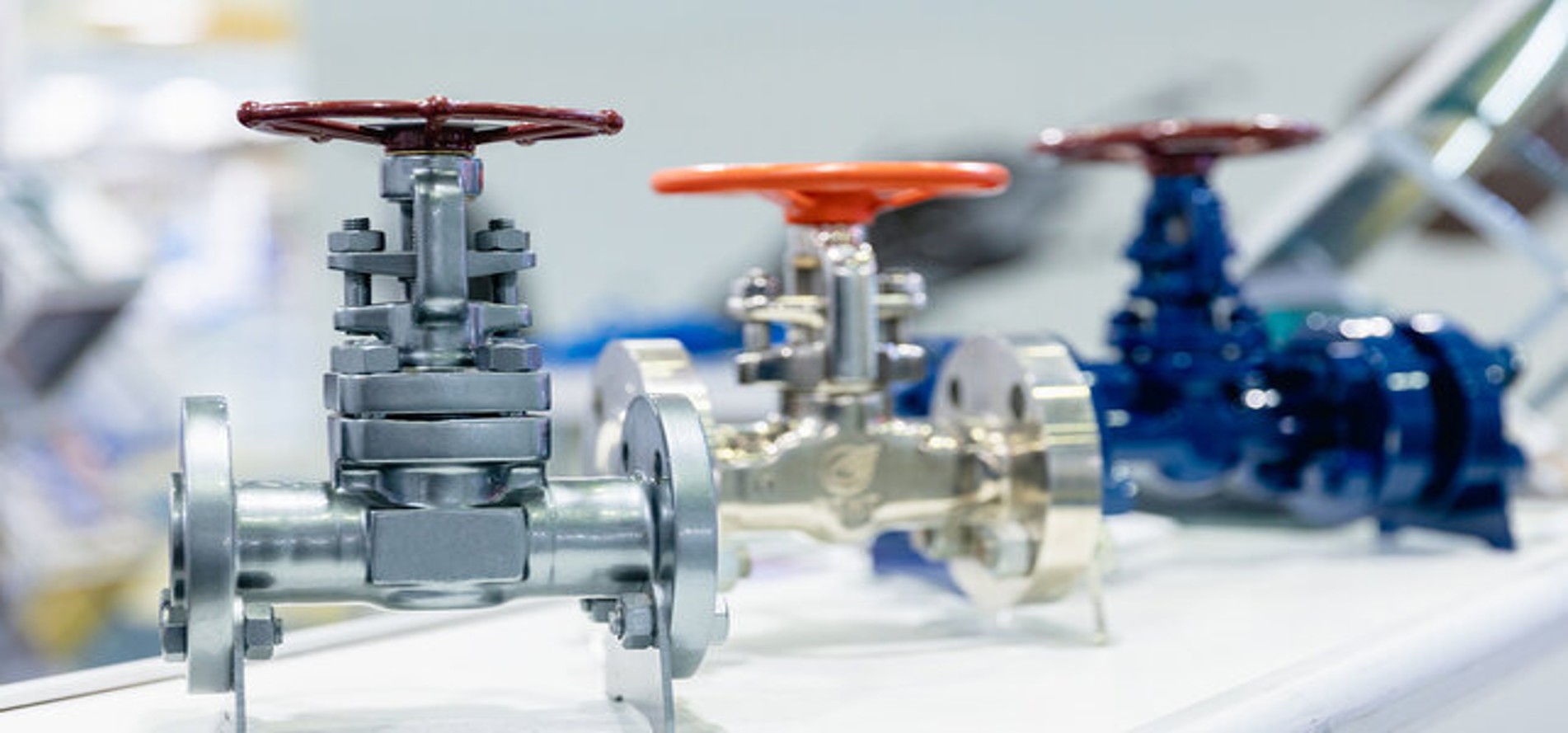
In industrial control systems, valve actuators function alongside the valve body, positioner, and accessories to regulate process variables such as flow rate, pressure, and temperature. The actuator provides the necessary force to move the valve element accurately, ensuring that the system operates close to its desired set point. This precise control is essential for maintaining product quality, process stability, and overall operational efficiency, especially in automated plants.
Valve actuators are indispensable across a wide range of industries, including oil and gas, chemicals, power generation, water and wastewater, and pharmaceuticals. They support both on/off control and modulating applications. In on/off applications, actuators enable valves to start or stop the flow of fluids or gases completely, while in modulating control, they allow continuous flow adjustment based on process requirements. These capabilities make them critical for efficient and safe industrial operations.
One of the primary advantages of valve actuators is improved process efficiency through automation, which reduces dependency on manual operation and minimizes human error. Actuators also enhance safety by playing a key role in emergency shutdown systems and other safety-critical functions. Additionally, modern valve actuators are increasingly integrated with digital technologies, enabling condition monitoring, predictive maintenance, and better asset management. These features help reduce downtime and optimize plant performance.
The valve actuator market is undergoing significant transformation driven by digitalization and Industrial IoT adoption. Modern actuators are equipped with advanced communication capabilities that enable real-time monitoring and data analysis, helping industries implement predictive maintenance strategies and improve reliability. There is also a growing shift toward electric actuators, as organizations seek greater precision, easier integration, and reduced reliance on compressed air systems. Furthermore, advancements in materials and design are improving durability and performance, particularly in harsh industrial environments.
Valve actuators have evolved from simple mechanical devices into sophisticated, intelligent systems that are integral to industrial automation. Their ability to enhance control, improve safety, and support digital transformation makes them indispensable in modern process industries. As technological advancements continue, the importance of smart and efficient actuator solutions will only grow, offering new opportunities for innovation and improved operational performance.