Representative End User Clients







Representative Automation Clients







Representative Software Clients









The Chinese industrial automation (IA) market declined in 2024, impacted by a strong 2023 baseline, excess inventory in sales channels, and weaker demand from end-user industries.
However, in 2024, Chinese local players outperformed the broader market, driven by competitive pricing, better product quality, and responsive service—particularly as most maintained stable list prices despite supply chain disruptions. As 2025 begins, the question remains: how will the market landscape evolve?
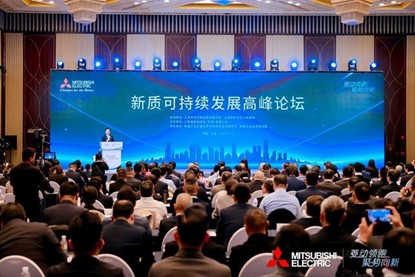
On March 18, 2025, Mitsubishi Electric Automation (China) Co., Ltd. introduced its new brand "Lingling" at the "Lingling Leading the Way: Gathering Strength for New Development" forum in Shanghai, attended by nearly 300 guests from various industries. The brand aims to strengthen collaboration in intelligent manufacturing and support Mitsubishi Electric’s localization efforts in China. Alongside the launch, two product series were unveiled—the LR1 chip-type I/O modules and the S-M series—both designed specifically to meet the needs of Chinese customers, marking a shift from the company’s previous product focus.
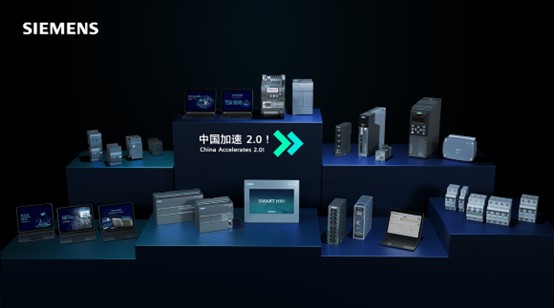
On March 25, 2025, Siemens unveiled its "China Acceleration 2.0" strategy, introducing 18 new products tailored to the Chinese market, including solutions for industrial automation and digitalization. Of these, 16 were developed entirely in China to support the country's push toward high-value manufacturing. Siemens also rolled out four new products focused on intelligent measurement and analysis for the process industry, aimed at boosting local production and shortening delivery times. Notably, the launch extends beyond hardware and software to include operations and maintenance, with the “Half Day Delivery” service standing out as a key feature.
Although the Chinese industrial automation market is expected to contract slightly or stay flat in the coming years, China will continue to be one of the largest markets for IA products. It is likely that international brands with a strong user base in the country will further localize their strategies and innovate to meet domestic demand and stay competitive. The “Local for Local” approach is becoming the norm, and overall market competition is set to intensify in the near term.