Representative End User Clients







Representative Automation Clients







Representative Software Clients








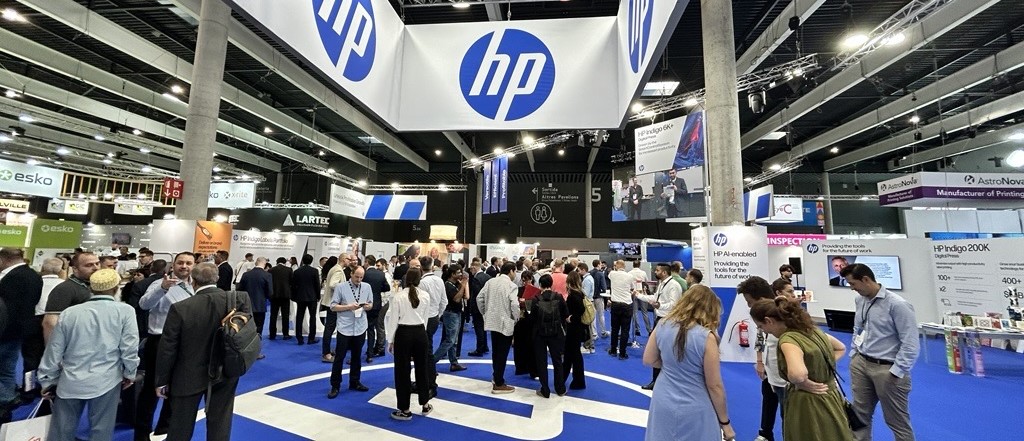
Earlier this month, I had the chance to attend HP’s analyst event and Labelexpo Europe 2025 in Barcelona. Both events made one thing very clear: the world of labels and packaging is changing faster than ever. Digital printing, automation, and smart software are no longer “nice-to-have” tools—they’re becoming the backbone of how this industry works.
Simple on the Outside, Complex on the Inside
Think about it: every time you pick up a bottle, a box, or even a pack of snacks, you’re holding the result of an enormous global industry. On the surface, a label looks simple. But behind it lies a highly complex process, supported by billions of dollars in technology, equipment, and expertise.
For printing companies, the challenges are the same as for many other manufacturing sectors: efficiency and productivity. And the scale is mind-blowing - a single press can produce hundreds of kilometers of printed material in just one day.
The Digital Factor Drives Efficiency
So how do you keep up with such demand? The answer is: digital.
Yes, the machines themselves are marvels of engineering, but it’s the digital layer that really unlocks performance. Today’s converters are leaning on automation, workflow software, and data insights to keep their presses running faster, longer, and smarter.
Take CERM, for example - a company that builds management systems designed specifically for label and packaging converters. Their software covers everything from order planning to warehouse management, while helping businesses to cut setup times, optimize press utilization, and lower costs.
Or consider HP PrintOS, HP Indigo’s cloud-based production operating system. It gives converters real-time visibility into their operations: press uptime, operator performance, workflow bottlenecks, and more. Armed with this data, companies can benchmark productivity, automate repetitive tasks, and continuously improve how they run their production floors.
Smarter Press Operation
Digital tools are also changing the way presses are operated day to day. Features like real-time monitoring, predictive maintenance, and automated diagnostics mean that problems can be spotted - and solved - before they cause downtime. Instead of waiting for something to break, operators can schedule service proactively, keep spare parts stocked efficiently, and maintain a consistently high quality of print.
Meanwhile, automated scaling, color adjustments, and job scheduling reduce human error and free up operators to focus on higher-value work. In other words, the presses aren’t just running faster - they’re running smarter.
Key Takeaways
• Digital is the foundation: efficiency gains now come from connected workflows and software intelligence, not just faster machines.
• Automation drives growth: from job planning to press control, more tasks are automated, enabling true nonstop production.
• Predictive maintenance is becoming the norm: data-driven service keeps machines running, reduces waste, and extends equipment life.
• AI and analytics hit the shop floor: operators now get real-time insights that make production more agile and resilient.
• The industry’s direction is clear: the future of labels and packaging is in fully connected ecosystems, where hardware and software work seamlessly to deliver speed, flexibility, and sustainability.
At the end of the day, the labels and packaging business is no longer just about putting ink on paper. It’s about building smart, automated, digital-first operations - capable of meeting global demand while staying efficient, flexible, and sustainable.