Representative End User Clients







Representative Automation Clients







Representative Software Clients








Traveling by metro (MRT/train) in Bangalore was an exhilarating experience as I could view the city from a different angle altogether. As the metro whizzed past, I could see the green treetops and the expanding city; the hustle bustle of road traffic and jams were missing and I reached my destination quickly. Then the problem began. After I alighted I was looking for a cab or auto to reach home, which was a mere 2 km away. The drivers were demanding exorbitant fares and all the passengers (including me) were protesting and haggling; but they didn’t relent. “This is sheer exploitation,” said one, “they are taking advantage,” said another, and then it began to rain. We were left with no choice but to pay what was demanded. Bangalore’s Namma (our) Metro, with its extensive network, has made strides in easing travel across the city, but many commuters still face challenges in reaching their homes or workplaces after alighting from the metro. It was then that I realized how critical the last-mile connectivity is.
Last-mile connectivity refers to the final leg of a person’s journey, bridging the gap between public transportation and their final destination. In urban areas like Bangalore, efficient last-mile solutions are crucial for maximizing the usage of public transport systems.
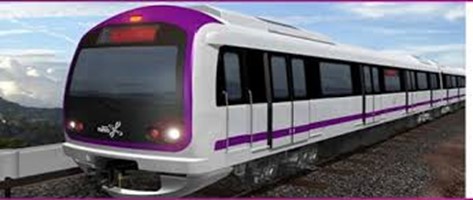
Established in 2006, the Bangalore Metro Rail Corporation Limited (BMRCL) emerged as a collaborative effort between the Government of Karnataka and the Government of India to implement the metro rail project in Bangalore. From its inception, BMRCL has evolved into a vital part of the city’s urban infrastructure, reflecting Bangalore's growth and the increasing demand for efficient public transport solutions. With ongoing expansions and innovations, BMRCL is poised to play a crucial role in shaping the future of mobility in Bangalore, fostering a more connected and sustainable urban environment. Today, Namma Metro boasts an impressive 73.81 km network with 66 stops, making it the second largest metro system in India, following the Delhi Metro.
To enhance last-mile connectivity, the BMRCL and the Karnataka government have launched several key initiatives:
Feeder bus services: BMRCL has introduced feeder bus services that connect metro stations with nearby residential and commercial areas. These buses operate on dedicated routes and are synchronized with metro arrivals, ensuring a seamless transition for commuters to their final destinations.
Auto-rickshaw and taxi hubs: Strategically located auto and taxi stands near metro stations facilitate quick access to other parts of the city. These hubs bridge the connectivity gap by providing easy access to rideshare and auto services.
Walking paths and bicycle rentals: The government has invested in pedestrian-friendly pathways and dedicated bicycle lanes around metro stations. Initiatives promoting bicycle rentals and e-cycle services encourage eco-friendly last-mile solutions.
A significant initiative aimed at improving last-mile connectivity in Bangalore is the Low Emission Access to Public Transport (LEAP) program. Launched in partnership with various stakeholders, including private operators, the LEAP program seeks to enhance connectivity options around metro stations. Key aspects include:
Multi-modal integration: LEAP emphasizes the integration of various transportation modes—buses, autos, taxis, bicycles, and walking paths—to create a cohesive network that allows commuters to transition seamlessly between different transport options.
Technology-driven solutions: The program promotes the use of technology for efficient routing and real-time tracking of last-mile transport. Mobile applications are being developed to help users plan their journeys, check vehicle availability, and book rides easily. BMRCL is also collaborating with Namma Yatri and the Bangalore Traffic Police to create an app specifically for metro commuters, allowing passengers to book auto-rickshaws at their nearest metro stations.
Public-private partnerships (PPPs): By fostering collaborations with private players, the LEAP program introduces innovative services and solutions, enhancing the overall commuter experience. This collaborative approach allows for flexibility in addressing the unique challenges faced by different neighborhoods.
Awareness campaigns: Public awareness campaigns are essential to the LEAP initiative, educating commuters about available last-mile options and promoting public transport to reduce reliance on personal vehicles.
Despite the progress made, challenges remain in fully realizing the potential of last-mile connectivity in Bangalore. Continued investment in infrastructure, the expansion of feeder services, and the incorporation of new technologies are crucial for the success of initiatives like the LEAP program. As Bangalore continues to grow, integrating sustainable transportation options, fostering community engagement, and embracing innovative solutions will be key to enhancing last-mile connectivity. With focused efforts and commitment, Bangalore can pave the way for a more connected, efficient, and sustainable urban transport ecosystem.