Representative End User Clients







Representative Automation Clients







Representative Software Clients








Reliable power transmission and distribution often goes unnoticed, as long as it operates smoothly, yet the importance of the industry behind it becomes clear during disruptions. It is the unsung hero of the Energy Transition. While renewable energy sources such as wind turbines, solar panels, and geothermal installations are highly visible, the humble substation typically remains out of sight.
With the increasing adoption of renewable energy and the European industry's efforts to electrify processes, there is a growing demand for modern substations, that can be constructed quickly and flexibly. A significant shift is underway: as electrification expands, more and more industrial entities will get integrated into the energy grid, establishing their own microgrids and becoming active participants.
This week, I attended Bentley Systems’ “Year in Infrastructure” event in Amsterdam, which provided valuable opportunities to engage with substation builders, users, and Bentley management to discuss the future of the grid, focusing on substation automation. These discussions highlighted the need for new approaches to substation construction—not only to accelerate project timelines but also to ensure the power transmission and distribution industry remains attractive to younger professionals.
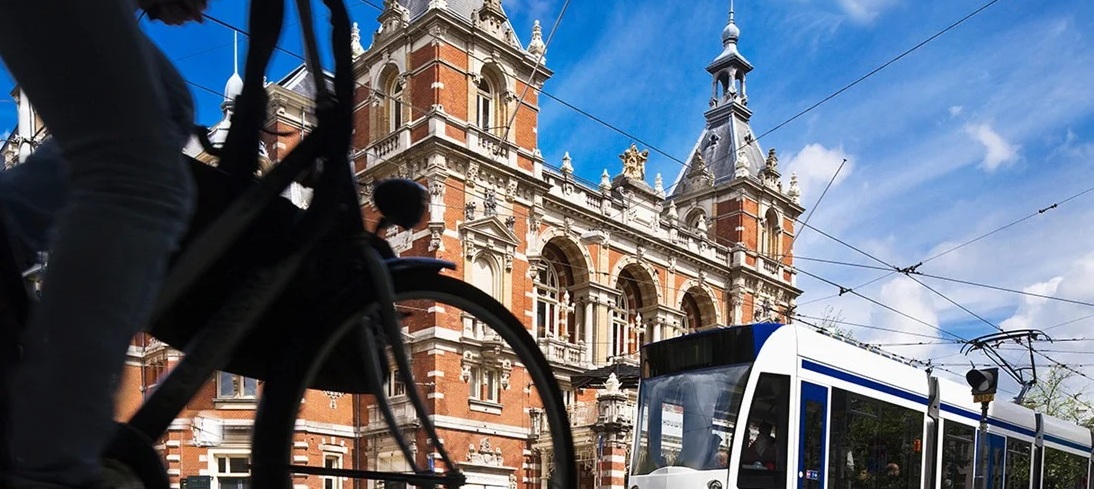
While the sector continues to face challenges in appealing to digital natives, the next hurdle will be attracting AI natives. Achieving this requires the adoption of advanced software solutions supported by artificial intelligence, featuring continuous updates throughout the asset lifecycle. The prevailing view is that AI will not replace engineers but rather enhance their productivity by automating repetitive and mundane tasks, allowing them to focus on higher-value work. For example, AI can verify compliance with design standards in electrical infrastructure and accelerate engineering processes, particularly for standardized low-voltage substations.
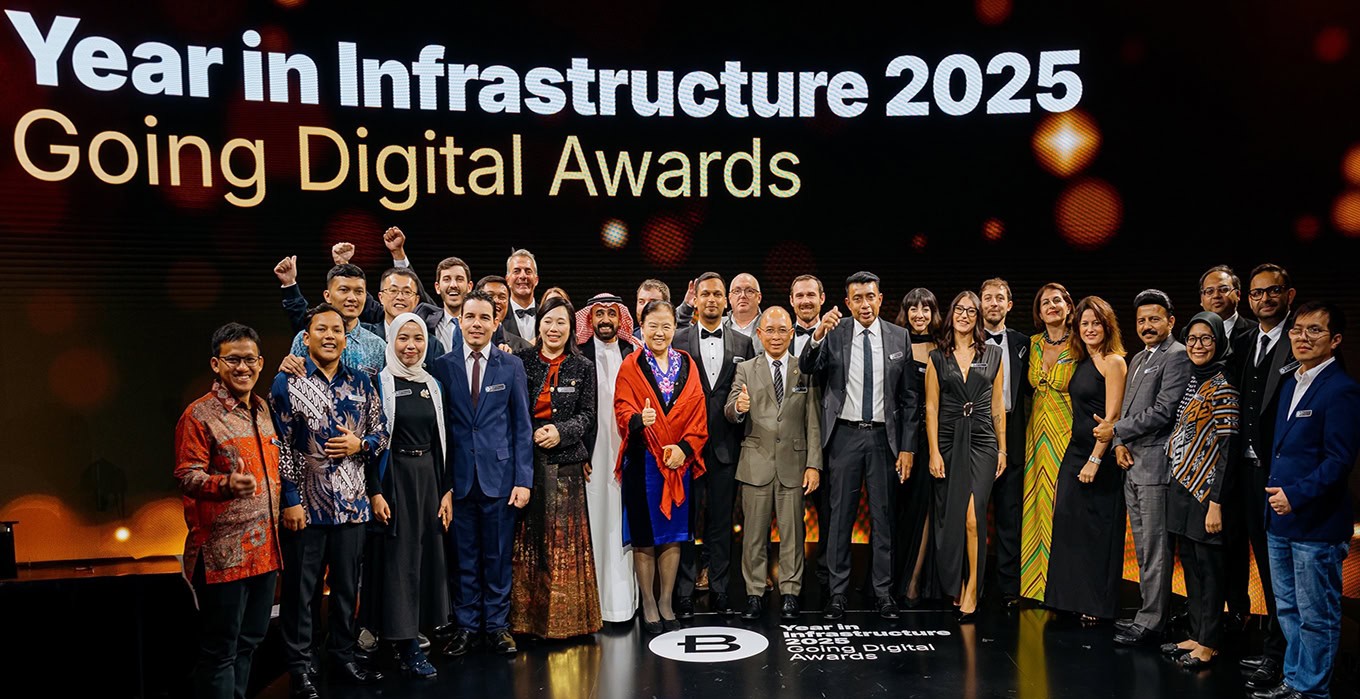
I had the honor to be a juror for the Going Digital Awards at the Bentley event, where the finalists presented their use cases live:
The first use case was from BAM Infra Netherlands and involved a construction project for a substation at Amsterdam’s Schiphol Airport, best described as an “open heart surgery,” showcasing the complexity of upgrading critical infrastructure. All made possible with interoperable modern software tools.
APD Global Engineering showed the use case of a new substation and the update of an existing substation in Perth, Australia, providing a reliable power supply to meet the growing electricity demands of transport operations. The use of Bentley software reduced design time by 15% which translates into a cost saving of 15%. This makes the project their blueprint for the engineering of subsequent substations. They also expect the learning curve to continue so the savings will scaled up with the rising number of projects.
China Energy Engineering Group Guangxi Electric Power Design Institute Co. showcased the Guangxi Nanning 500kV power transmission and transformation project, which allowed them to win the award. It describes the construction of a large 500KW substation in China, where significant cost savings were achieved through the usage of AI-driven tools along the entire lifecycle, from planning and construction to operations. Notably, engineers included operational cost optimization from the outset, leveraging AI and modern software tools throughout the project. Something I personally valued very high, as they handover between the engineering and operations team is often less than ideal.
Let me add a personal note. Demographic changes will present new challenges for the industry. While AI may not replace today’s engineers and workers, it will help fill the gaps created by workforce shortages, ensuring continued operational excellence. The people at the conference are passionate about their jobs, they love infrastructure, I have no doubt that the next generation of engineers will do the same.