Representative End User Clients







Representative Automation Clients







Representative Software Clients









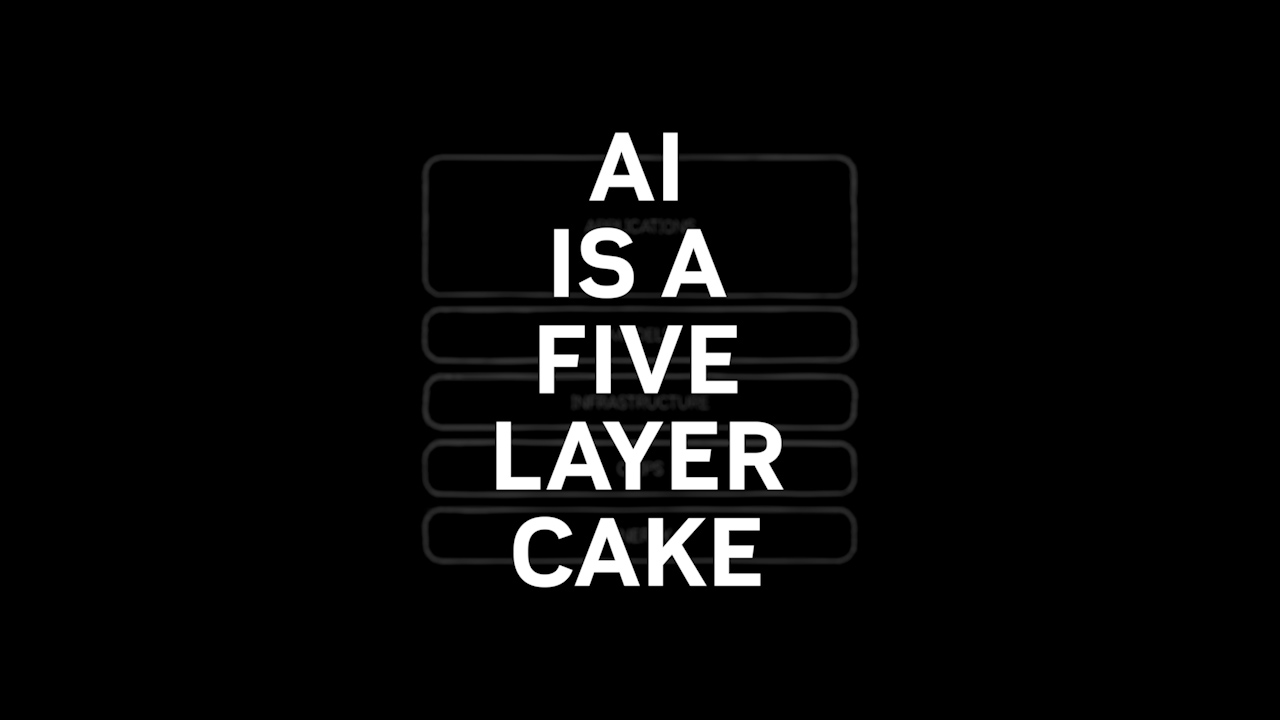
NVIDIA’s “AI is a 5‑layer cake” framework reframes artificial intelligence as industrial infrastructure, not software alone. The layers—energy, chips, infrastructure, models, and applications—emphasize that AI generates intelligence in real time, placing new requirements on the physical and digital systems beneath it. “This is not software retrieving stored instructions. This is software reasoning and generating intelligence on demand.” Along with data availability and other critical enablers, AI outcomes on the shop floor are constrained by the need for modern networks capable of supporting AI-ready manufacturing operations.
At the energy layer, the impact of AI extends well beyond the factory. The rapid growth of AI workloads is increasing electricity demand, driving the need for more intelligent, resilient electric grids and accelerating grid and substation automation. Utilities are deploying advanced sensors, digital protection relays, and AI-assisted analytics to manage load variability, integrate renewables, and prevent outages. These substations depend on highly reliable, secure industrial networks to support real-time monitoring, protection, and control. Inside manufacturing facilities, the same trend appears in areas such as increasing demand for high-wattage Power over Ethernet to support AI-driven machine vision, advanced sensing, and to reliably power cameras and sensors at the edge, making power-aware network design a production-critical concern.
At the chips layer, accelerated compute at the edge, plant data center, and cloud reshapes traffic patterns. High-bandwidth video streams and inference data must coexist with deterministic control traffic, requiring segmentation, quality of service, and low-latency paths that preserve industrial determinism.
The infrastructure layer is where the network is revealed as the foundation of the AI factory. Legacy OT networks lack the scalability, resilience, and embedded security needed for AI-powered processes, digital twins, and shop floor virtualization. An enterprise-grade OT network—ruggedized, high-performance, and cyber-native—enables secure, unified data flow from sensors to edge, data center, and cloud.
At the models and applications layers, AI only delivers value if it can access trusted, real-time data. Embedded asset visibility, segmentation, and zero trust access ensure AI scales without increasing operational risk. NVIDIA’s 5-layer cake makes one point clear for manufacturing and energy alike: AI readiness is network readiness, from the substation to the shop floor.
Find out more about Industrial AI's Role in Digital Transformation of Manufacturing Industries | ARC Advisory Group and Digital Transformation at the Industrial IoT Edge | ARC Advisory Group.