Representative End User Clients







Representative Automation Clients







Representative Software Clients








Safety and reliability are critical performance indicators in process industries such as oil and gas, chemicals, power generation, water treatment, and pharmaceuticals. Any failure in measurement or control can lead to hazardous situations, unplanned downtime, equipment damage, environmental impact, and financial loss. In this context, advanced industrial transmitters play a vital role by providing accurate, continuous, and actionable data that enables safe and stable plant operations.
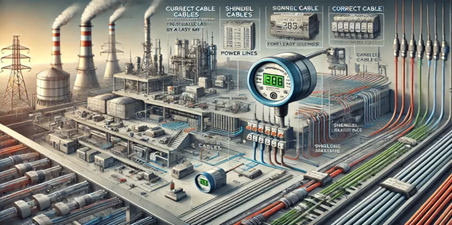
Modern transmitters for pressure, temperature, flow, and level measurement have evolved into intelligent field devices equipped with smart sensors, digital processing, diagnostics, and communication capabilities. These advanced features provide accurate real-time measurements and early detection of abnormal process conditions, supporting greater operational visibility, proactive risk management, and reliable process control.
Advanced transmitters enhance safety by enabling early detection of process deviations. By continuously monitoring pressure, temperature, and flow with high accuracy and stability, they help identify developing issues such as leaks or equipment wear, allowing control systems to take timely corrective actions or safely shut down processes before conditions become hazardous.
Digital communication and integration capabilities also contribute significantly to plant safety and reliability. Advanced transmitters support modern industrial protocols and can seamlessly integrate with PLC, DCS, SCADA, and asset management systems, ensuring consistent data exchange, centralized monitoring, and improved coordination between measurement devices and control strategies. In safety-critical applications, transmitters designed to meet functional safety standards (SIL-rated) provide an additional layer of protection by ensuring dependable performance even under fault conditions.
The growing use of smart and self-diagnosing transmitters with analytics and AI will enable predictive fault detection and improved process safety. Industrial IoT connectivity and wireless communication will allow real-time monitoring, remote diagnostics, and easier installation in hazardous or remote locations. Increased emphasis on cybersecurity, functional safety, and energy-efficient designs will further enhance system reliability, regulatory compliance, and sustainable operation, reinforcing advanced transmitters as a key enabler of safe and future-ready process plants.
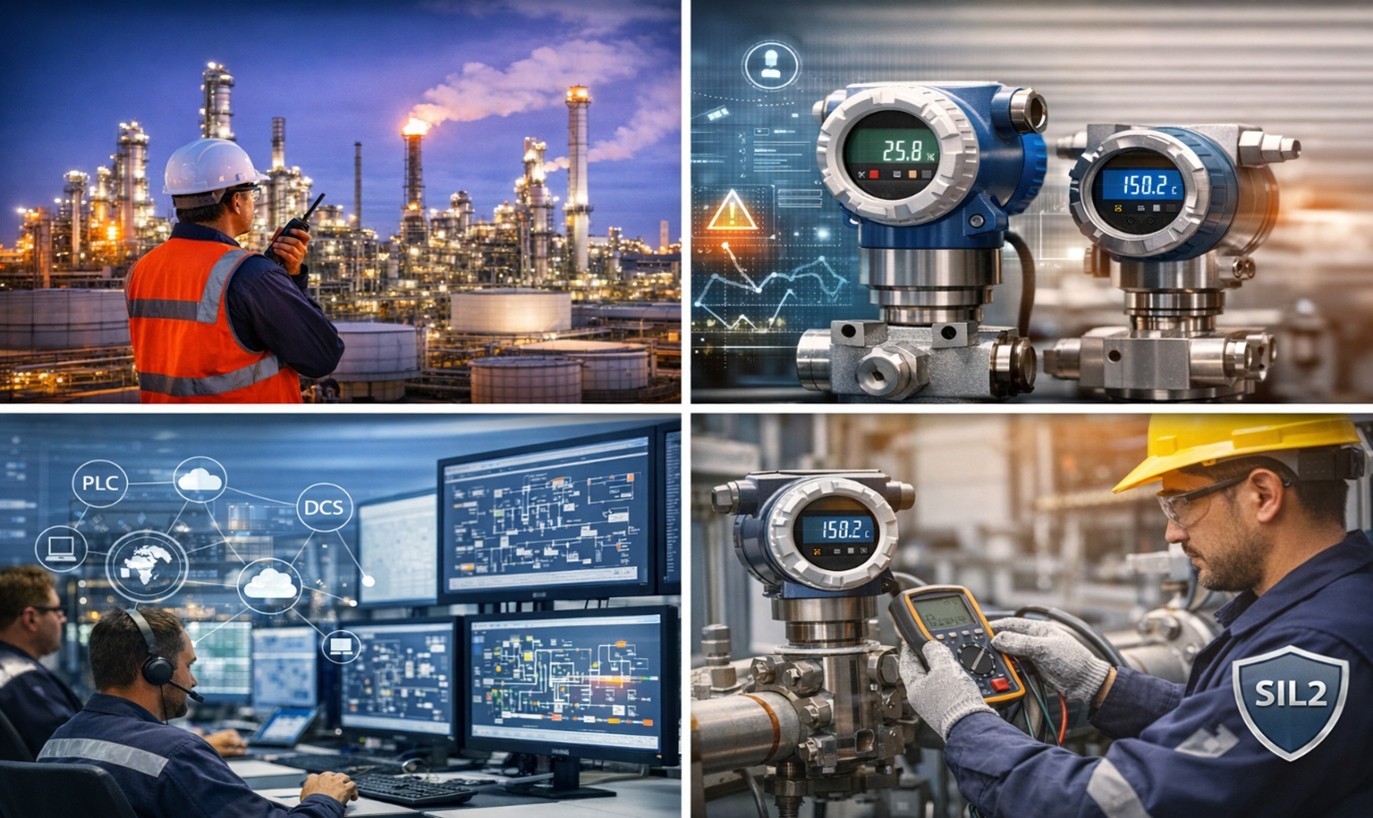
Advanced transmitters are no longer just measurement instruments; they are intelligent safety and reliability enablers in modern process industries. By combining accurate measurement, diagnostics, digital communication, and high-integrity design, they enable safer operations, reduced downtime, and consistent process performance. As plants increasingly adopt automation and digitalization, advanced transmitters will continue to play a central role in building safer, more reliable, and more efficient industrial systems.