Representative End User Clients







Representative Automation Clients







Representative Software Clients









Schneider Electric introduced the next generation of its APC Smart-UPS platform for distributed IT and edge environments. The new platform supports both valve-regulated lead-acid (VRLA) and lithium-ion batteries and is designed to accommodate additional battery chemistries as compatible battery packs become available.
The multi-chemistry design allows organizations to change battery technologies while retaining the same UPS chassis. Customers can initially deploy VRLA batteries and later move to lithium-ion or other supported battery technologies as operational requirements, lifecycle considerations, or battery technologies evolve.
This approach helps to address an important consideration in backup power infrastructure. Batteries are a critical component of UPS reliability and also represent one of the components most likely to require replacement during the operating life of the system. Separating the UPS platform from a single battery chemistry gives users greater flexibility to modernize battery technology without replacing the complete unit.
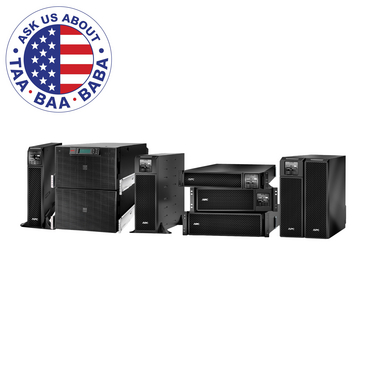
The new APC Smart-UPS platform allows VRLA and lithium-ion batteries to operate with the same UPS architecture rather than requiring separate systems optimized for each battery type.
The design also supports up to 10 external battery packs for applications requiring extended runtime. Schneider Electric has standardized the interface, batteries, and spare parts across supported kVA models to help simplify inventory and maintenance requirements for IT teams and channel partners.
The architecture is relevant as organizations increasingly evaluate lithium-ion batteries as an alternative to traditional lead-acid technologies. ARC research has previously identified the transition from VRLA to lithium-ion batteries as an important trend in both data center UPS systems and broader data center infrastructure.
The next-generation Smart-UPS is also designed to help address higher-density computing requirements in distributed IT and edge environments.
According to Schneider Electric, the platform can provide up to three times the base runtime, up to 1.4 times greater power density, and up to 57 percent more outlets than previous Smart-UPS models. The company also reports reductions in power loss of up to 40 percent.
These capabilities become increasingly relevant as edge and distributed computing environments support more data-intensive and AI workloads. ARC research indicates that growing AI workloads, cloud services, and edge computing requirements are contributing to increased demand for reliable power infrastructure and uninterrupted operation across data center environments.
Rack/tower-convertible configurations provide additional deployment flexibility for installations ranging from conventional IT spaces to distributed edge environments.
The new Smart-UPS integrates with Schneider Electric’s EcoStruxure IT software for centralized monitoring of UPS health and performance across multiple locations. The software provides alerts, operational information, and energy-use data intended to help IT teams identify battery and power infrastructure issues before they result in downtime.
An EcoStruxure IT Network Management Card provides network connectivity and cybersecurity functionality certified to IEC 62443 Security Level 2, while PowerChute software supports automated system shutdown during extended outages.
Remote monitoring is particularly relevant for edge IT installations, where equipment may operate without dedicated IT personnel on site. ARC has previously noted the importance of remote monitoring and visibility in Schneider Electric’s EcoStruxure Micro Data Center offerings for distributed environments.
The ability to change battery chemistries without replacing the complete UPS can also extend the useful life of the underlying hardware and reduce equipment replacement.
Schneider Electric reports that design changes in the new platform can reduce embodied carbon by up to 25.6 percent and incorporate up to 50 percent sustainable plastic. The Smart-UPS is also ENERGY STAR for UPS Version 2.0 certified.
For organizations operating large numbers of UPS units across distributed facilities, extending hardware lifecycles can reduce both replacement requirements and electronic waste while allowing newer battery technologies to be introduced incrementally.
The next-generation APC Smart-UPS will initially be available through the SRTD On-Line series in 2.2 kVA and 3 kVA capacities. The systems are designed for applications including servers and networking equipment in medical facilities, light industrial environments, and IT white spaces.
The multi-chemistry approach reflects a broader shift toward more adaptable power infrastructure for distributed computing. By separating battery technology decisions from the lifecycle of the UPS itself, Schneider Electric is providing organizations with a path to adopt evolving battery technologies while maintaining existing power infrastructure.
ARC Advisory Group has examined the growing need for reliable power infrastructure as data centers, edge computing, and AI workloads increase requirements for availability, energy efficiency, and operational visibility. The following ARC research provides additional context on UPS technologies and evolving data center infrastructure.
Demand for Continuous and Clean Power Drives Growth in Data Center UPS Systems Market
Schneider Electric Expands Ruggedized EcoStruxure Micro Data Center Offering
Siemens, Legrand, and Cadolto Introduce New Modular Edge Data Center
Together, these ARC perspectives show how UPS systems, remote monitoring, edge infrastructure, and energy management are becoming increasingly interconnected as organizations deploy more distributed and compute-intensive IT environments.