Representative End User Clients







Representative Automation Clients







Representative Software Clients








On 18 October 2017 – In a precedent setting ruling, the FAA granted a waiver to allow CNN to operate routine drone flights over people. This is the first time such a waiver has been approved and this will likely open the doors to much wider drone use by both news organizations and for business applications such as managing large building or civil construction projects and other industry uses.
The FAA still prohibits drone flights over humans, although its regulations allow for waivers if applicants can show there’s no risk of injury. In the past, more restrictive waivers have been issued to filmmakers and industrial companies for flights over pre-defined areas.
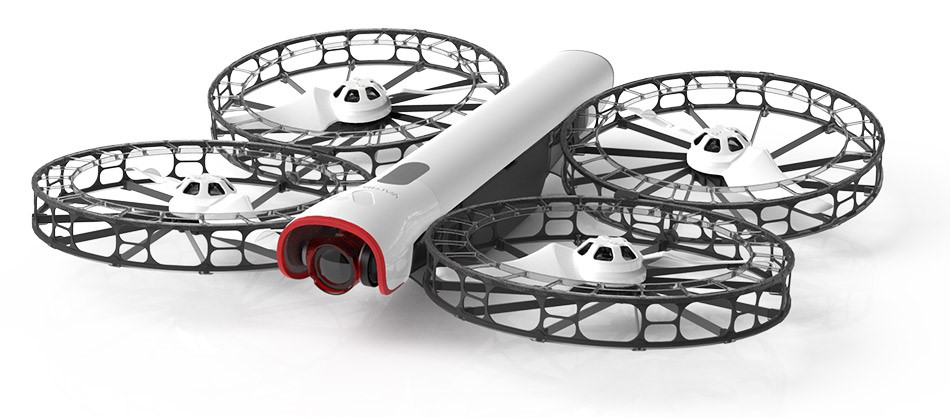
The key reason the FAA consented here, is the Vantage Robotic drone is designed specifically to be safely operated over people. The Vantage Robotic Snap drone weighs just 1.37 pounds (0.62 kilograms), and its four rotors are encased to reduce the chances of injury. It’s designed to break into harmless smaller pieces if it crashes, according to the company’s website. It can be snapped back together and reused after a crash.
On October 17, 2017, the FAA approved Skyward (an FAA-Approved LAANC Airspace Vendor) to give commercial drone operators instant access to controlled airspace with its new Low Altitude Authorization and Notification Capability (LAANC). According to reports, the program will roll out starting with Cincinnati International Airport (CVG), Reno (RNO), San Jose (SJC), and Lincoln (LNK) The FAA has said that it will include 49 airports by the end of the year, with more going live by early 2018. In the past, drone operators had to wait 60-90 days to receive authorization under the existing system. With Skyward and LAANC, enterprises can get approval to fly in just two seconds. With this obstacle gone, this could lead to substantial adoption of drone technology at the enterprise level.
There has been pent up demand for a long time and these rulings show that we can expect more drones popping up in public places and collecting data, pictures, and videos. Perhaps we still have a way to go before we are getting pizza or packages delivered, but these rulings are likely to open new business opportunities for drone-based applications.
The Snap drone technology directly targeted the FAA safety concerns with the lightweight (1.37 lbs.) and a protected rotor system. The Snap drone still achieves 20-minute flight times, 33 miles per hour cruising, and stable operation in 20 mph winds. Likewise, Skyward worked hard to build creative technology to solve the very difficult problem of managing flight controls for drones that compete with airplanes for airspace. According to Skyward, In the Oct 11 Federal Register, the FAA stated that immediate implementation of LAANC is “vital to the safety of the National Airspace System because it would (1) encourage compliance with 14 CFR 107.41 by speeding up the time to process authorization requests (2) reduce distraction of controllers working in the Tower, and (3) increase public access and capacity of the system to grant authorizations.”