Representative End User Clients







Representative Automation Clients







Representative Software Clients









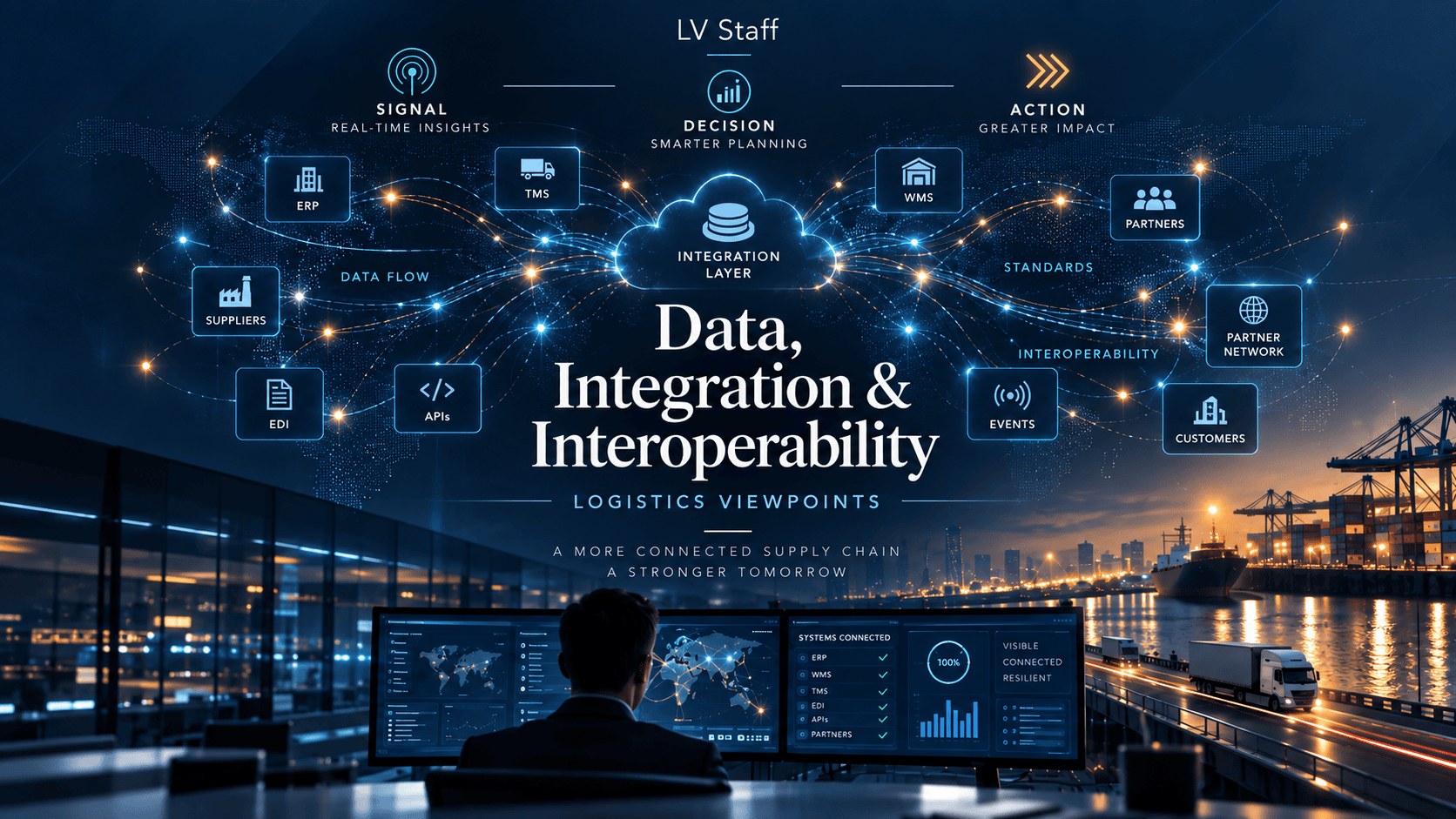
Executive thesis. The EDI-versus-API debate is based on a false replacement narrative. Different interaction patterns solve different operating problems, and mature supply chains will continue to use multiple mechanisms deliberately.
For years, supply chain technology discussions have framed APIs as the modern successor to EDI. That framing confuses age with fitness for purpose. EDI remains deeply embedded in high-volume B2B document exchange because it provides stable transaction patterns across large partner ecosystems. APIs excel at different forms of interaction. The relevant question is not which technology wins, but which pattern fits the business exchange.
A purchase order, shipment notice, invoice, real-time capacity request, status lookup, event notification, and analytical data feed do not have identical latency, coupling, governance, or partner requirements. Mature architectures use different patterns deliberately. Forcing every interaction into one protocol can increase complexity rather than simplify it.
A large enterprise does not control the technology maturity of every carrier, supplier, broker, or customer. The integration architecture has to work across that heterogeneity. In some relationships, EDI will remain the most reliable mechanism. In others, APIs or events will enable more dynamic interaction. Flexibility at the edge is therefore an operating requirement, not a concession to legacy technology.
The real target should be brittle mapping, opaque failures, manual onboarding, duplicated business logic, weak identity, and poor monitoring. Those problems can exist in an EDI estate or an API estate. Modernization is successful when it reduces the cost of partner change, improves observability, standardizes governance, and makes business events easier to use across the enterprise.
Supply chain leaders should evaluate integration by interaction pattern, operational reliability, partner reach, security, observability, and change cost. A mixed architecture is not inherently messy if the enterprise has clear standards and ownership. In many cases, the strongest design will combine EDI, APIs, and event-driven patterns rather than attempt to eliminate one of them.
The Logistics Viewpoints EDI vs. APIs in Supply Chain and Logistics guide explains where each pattern fits, why protocol ideology is unhelpful, and how to choose based on interaction and partner requirements.
The modernization objective should be to remove brittleness, improve observability, and match interaction patterns to business requirements—not pursue protocol purity.
Go deeper: provides the durable buyer, architecture, and implementation reference for this topic. Data, Integration & Interoperability connects this analysis to the broader Logistics Viewpoints research architecture.