Representative End User Clients







Representative Automation Clients







Representative Software Clients









ARC’s European Industry Forum is part of our successful series of worldwide conferences in Europe, America and Asia. The next European Forum will be held in Sitges (Barcelona), Spain on May 5-7, 2025 and focus on “One Step Beyond: How to Achieve Next-Level Production”. Participants are invited to attend exclusive presentations and workshops on strategies and case studies from the digital front lines.
ARC industry analysts and other experts from the end user and supplier communities will analyze and discuss trends and drivers for hot industry topics:
A Key Step Toward Sustainability: The future of biomass use in Europe, from biofuels to chemicals
In the drive toward a circular economy and climate neutrality, biofuels and biomass-derived chemicals play a crucial role as an alternative to fossil feedstocks. By using renewable biological resources, they can significantly reduce greenhouse gas emissions while supporting energy security and economic growth.
Echoing this shift, the Clean Industrial Deal announced a bioeconomy strategy to improve resource efficiency and to “tap the significant growth potential of bio-based materials substituting fossil-based materials, and related industries.” Cefic, the European chemical industry council, and its sector groups active in the bioeconomy are calling for this strategy to be elevated to a fully-fledged industrial strategy for Europe. Establishing a favorable policy environment will help ensure that biofuels and biomass-derived chemicals can contribute to a competitive, sustainable and resilient future for Europe.
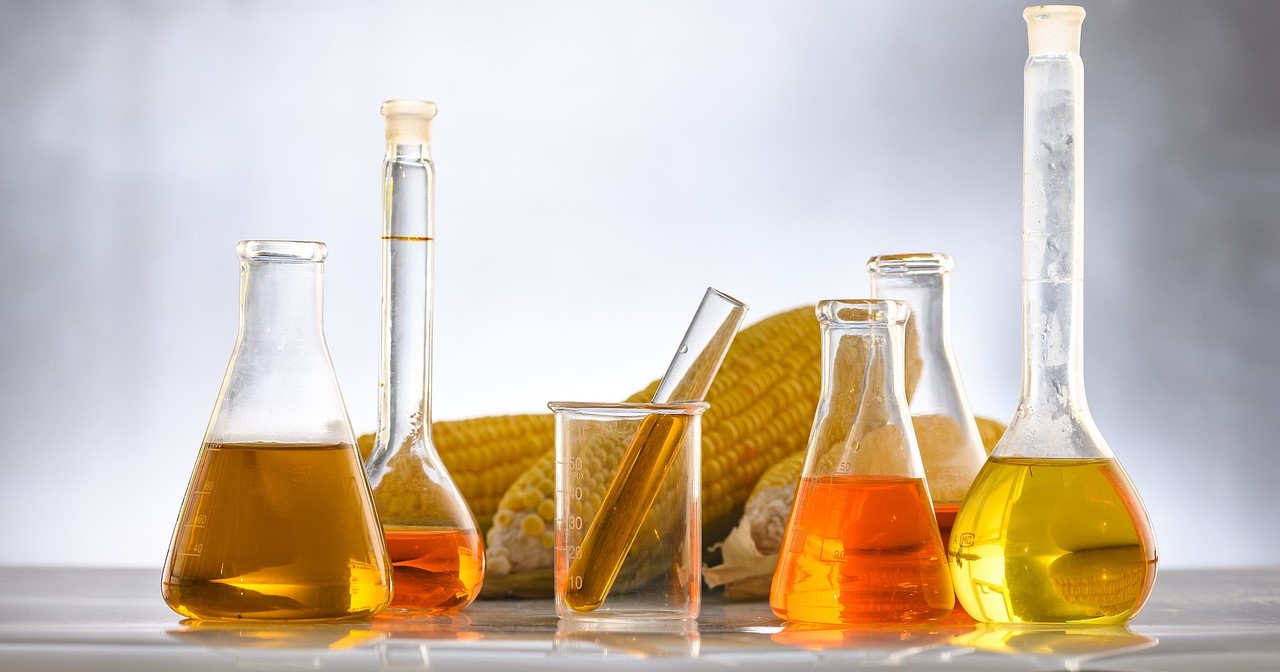
Biomass-derived chemicals and biofuels
Biomass-derived chemicals and biofuels are produced from organic materials such as vegetable oils, animal fats, and agricultural waste. The most common biofuel types include biodiesel, made through transesterification of oils and fats, and bioethanol, derived from fermenting sugar and starch crops. Bioethanol is also an important platform for further conversion to chemicals such as ethylene. Advanced biofuels and novel biomass-derived chemicals, produced from non-food biomass like forestry residues and algae, further enhance sustainability by reducing competition with food production and improving carbon savings.
Across Europe, the biofuels and biomass-derived industry is evolving rapidly, and so is the demand for biomass. Many refineries are being repurposed to accommodate biofuel production, aligning with the EU’s Renewable Energy Directive (RED II) goals. Countries like Finland, the Netherlands, and Italy are leading the way with large-scale projects, including Neste’s expanded renewable diesel facility and Eni’s biorefinery developments. European production capacity for biofuels is expected to grow substantially in the coming years, driven by regulatory support and increased investments in innovative technologies. Biomass-derived chemicals, while being at the forefront of technological development, do not yet benefit from support comparable to what is offered by RED.
To explore these developments further, join Cefic at the upcoming ARC industry event in Sitges from May 5 to 7. Marco Pellegrini, Bioeconomy Manager at Cefic, will provide insights on Europe’s path toward a circular bioeconomy. Participants will have the opportunity to engage with industry leaders, gain perspectives on EU policy, and better understand the role of biofuels and bio-based chemicals in the energy transition.
ARC’s European Industry Forum
Join us at ARC’s European Industry Forum to speed up your digitalization and sustainability initiatives with strategies and use cases from which technology end users and suppliers will benefit alike. Discover what your peers and industry leaders are doing today and what steps they are taking to prepare for the future.
For more information about attending, speaking, and sponsoring, please contact Ann-Kathrin Blech (mailto:[email protected]).