Representative End User Clients







Representative Automation Clients







Representative Software Clients








The “Global Energy Regulation Roundup” is dedicated to capturing and understanding emerging climate, energy, and reporting measures. Currently, international governments are increasingly establishing stricter policies on emissions reporting, trade, and energy. The purpose of this monthly blog is to highlight approaching regulations and educate key stakeholders about their effects on a range of industries.
Chinese electrolyzer manufacturer Hygreen Energy will invest €2 billion ($2.2 billion) in a green hydrogen plant in the southern Spanish region of Andalusia. Partnering with Coxabengoa, this initiative will bolster Andalusia's position as a leader in green hydrogen, leveraging the region's rich wind and solar resources. While still costly without subsidies, green hydrogen is crucial for Europe's decarbonization efforts.
Additionally, China experienced its hottest heat wave in six decades this summer, issuing eight heat warning advisories. In certain regions, temperatures often exceeded 40°C (104°F). Factories in the southwestern regions were asked to close due to power constraints. The drought has shrunk rivers, disrupted the hydropower supply, and led officials to limit electricity use for businesses and homes. The rolling blackouts and factory shutdowns affected production at both Toyota and Foxconn operations. The intense heat is causing health concerns, disrupting business operations, and reducing crop yields, including rice.
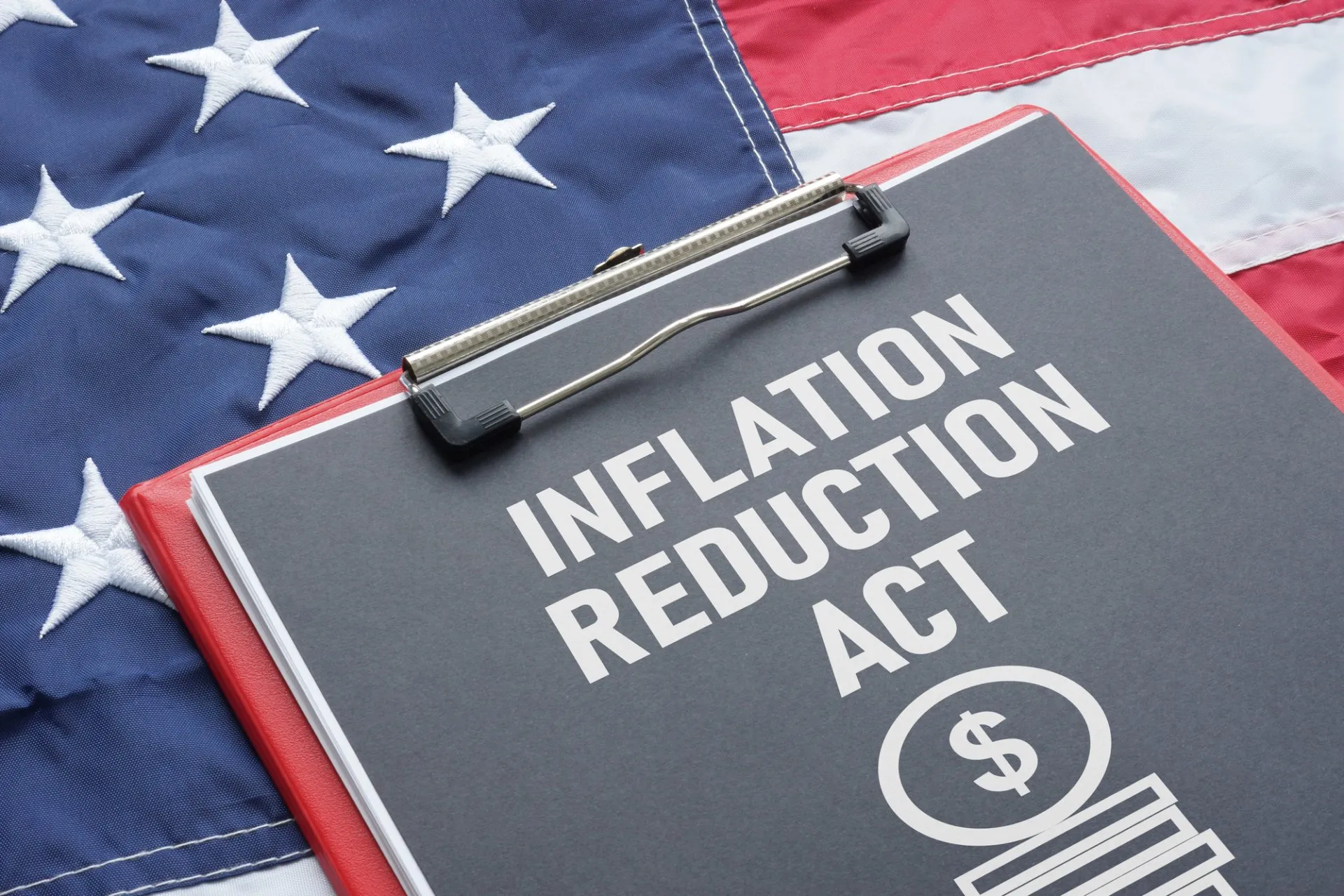
The Inflation Reduction Act, a groundbreaking bill that invested over $400 billion in clean energy, manufacturing, and technology, has turned two! The first anniversary of its signing revealed impressive stats, including new clean energy jobs, private investment, and domestic growth. In the second year since its passage, the Loan Program Office announced successful developments in state outreach, with over a dozen state organizations establishing pathways for clean energy projects and providing access to state and federal financing opportunities. As of July 31, 2024, the Title 17 program had $127.6 billion in remaining loan authority across its four categories, with loan requests in the pipeline exceeding this figure. This past year, guidance was published for clean energy, innovative supply chains, and state energy finance institutions, clarifying how tax credits or loan processes will work.
In connection with the Inflation Reduction Act, the Energy Department released its 2023 “Jobs in the Clean Energy Industry Report.” In 2023, jobs in the clean energy industry grew at more than double the rate of the country’s overall job growth. Jobs rose by 142,000, or 4.2%, last year, up from a 3.9% increase in 2022. Overall energy jobs rose by 250,000, with 56% in clean energy. Employment in the utility-scale and rooftop solar industries grew by 5.3%, adding more than 18,000 jobs. However, the solar industry in California lost more than 17,000 jobs due to high-interest rates and the state's reduction of net metering rates, which allow customers to be credited for excess power generated by their rooftop panels.
The EU was recently sued by the Climate Action Network (CAN) and the Global Legal Action Network (GLAN) for failing to set ambitious climate targets in sectors that contribute more than half of the bloc’s total greenhouse gas emissions. The case relates to annual emission limits for member states, set by the European Commission under the Effort Sharing Regulation, a key pillar of EU climate policy. These limits decrease each year. These sectors are not included in the EU emissions trading scheme and together make up 57% of the bloc’s total greenhouse gas emissions. A senior lawyer at GLAN stated, “The States are obligated to adopt science-based emission targets consistent with limiting global warming to 1.5°C. We have outlined how the EU’s 2030 targets were not derived from the best available climate science, a point which the Commission has not even contested in its defense of our case.” The lawsuit aims to compel the EU to set realistic, scientifically backed targets that account for all EU bloc emissions.
Three Danish energy tech firms have opened the world’s first-ever green ammonia plant in Ramme, Denmark. The plant is capable of producing 5,000 tons of green ammonia per year, entirely from solar and wind energy, reducing 8,200 tons of CO2 annually. While green ammonia is primarily used to make fertilizer (about 70% of the global supply), it is also used to transport hydrogen safely and cheaply. Gray ammonia production, which uses fossil fuels, is currently the norm globally and accounts for about 1.2% of all carbon dioxide emissions. The Danish plant is a real-world demonstration of Power-to-X technology that could pave the way for more green ammonia production facilities worldwide.