Representative End User Clients







Representative Automation Clients







Representative Software Clients








In rapidly growing communities, the infrastructure for water, wastewater, and power has to develop in parallel, but the amount of investment and effort required to keep up with the necessary increases, may be overwhelming. Conroe, municipality in Texas. USA, has faced mounting pressure on its water infrastructure as the population expanded from 30,000 to more than 115,000 residents. To keep pace with demand, while ensuring uninterrupted, high‑quality water service, the city modernized its water operations using Schneider Electric’s EcoStruxure Automation Expert. The nature of the IEC 61499-based industrial automation system allows the user to decouple application software from hardware, making automation solutions software-centric and vendor-independent.
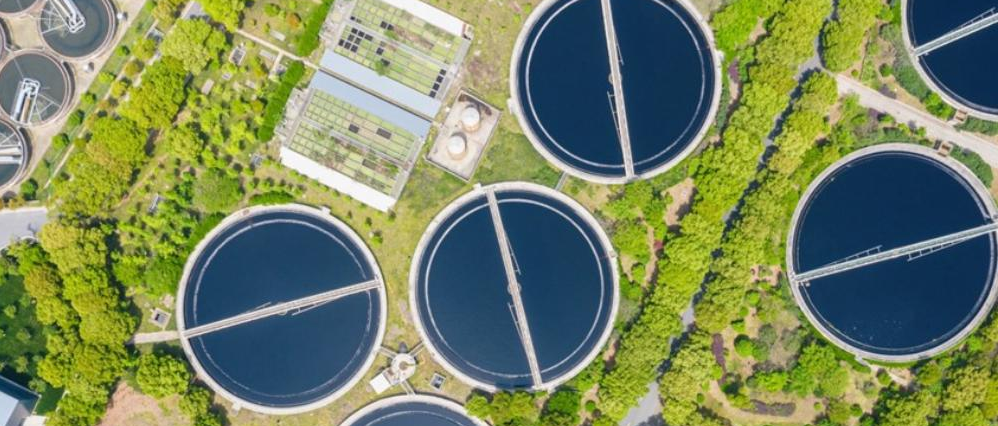
The challenge for Conroe was to expand from 4 to 19 water plants in just 2 years. Proprietary legacy SCADA systems and manual, clipboard‑based data collection were time‑consuming, inflexible, and increasingly difficult to maintain. Operators typically spent 4 to 5 hours per day gathering data, leaving little time for proactive maintenance or optimization.
To address the challenge, the municipality decided to partner with Schneider Electric and EcoStruxure Automation Expert, using Modicon M262 logic and motion controllers, EcoStruxure SCADA Expert software, standardized automation designs, and remote monitoring, real‑time alerts, and automated reporting.
The open, software‑defined architecture allowed the city to standardize programming across all plants, rapidly deploy new facilities in days rather than months, and simplify maintenance by using identical spare parts.
The municipality reports that the modernization delivered significant operational and performance gains, including:
• 80 percent faster recovery after system faults
• 70 percent improvement in engineering efficiency
• 50+ hours per week saved by eliminating manual data collection
• Proactive alerts to resolve issues before customers are affected
• Improved regulatory compliance through automated, accurate reporting
• Reliable scaling from 4 to 19 water plants with consistent automation standards
With the implementation of real‑time monitoring and automated reporting, operators can now focus on analysis and preventive actions rather than manual data gathering. Water quality and system performance are continuously monitored, enabling early intervention and protecting public health. Ultimately, the city ensures that its residents benefit from 24/7 reliable water service, even as the city continues to grow rapidly.