Representative End User Clients







Representative Automation Clients







Representative Software Clients








Following my recent teardowns of the high-level keynotes in The PepsiCo Blueprint and The Jabil Playbook, I had the privilege of hosting the Executive Panel at the ARC Leadership Forum. If the keynotes painted the vision of an Industrial AI Pacesetter in 2026, the panel discussion brought that vision crashing into the operational reality of the shop floor.
Joined by leaders Ashin Parikh of PepsiCo, Chase Christensen of Jabil, Steve Blackwell of AWS, Chad Wright from Boston Dynamics, and Axel Lorenz from Siemens, the conversation proved that we are officially out of the sandbox. As I noted to open the session:
"We've really seen a major shift, moving from pilot purgatory data science projects to now really thinking about operational necessity... we've really seen that transition to much more of the physical reality as well." — Colin Masson, ARC Advisory Group
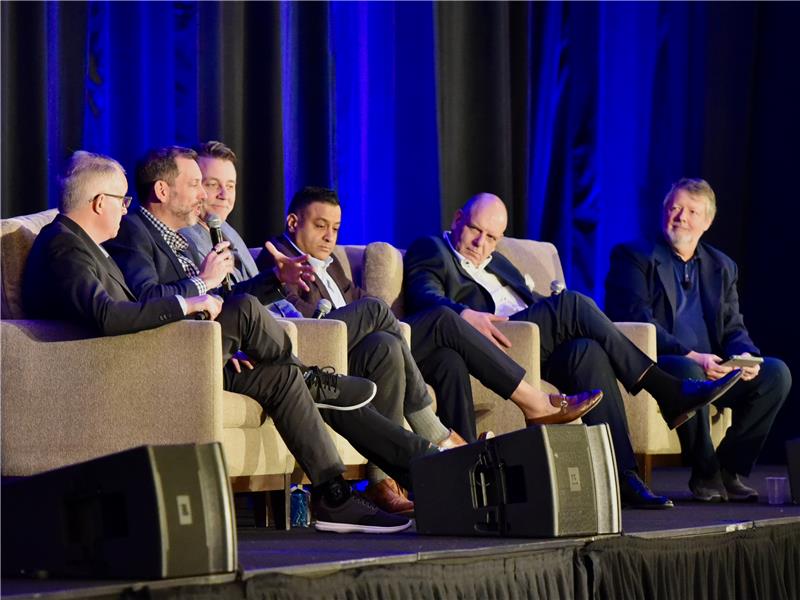
But how do you scale physical AI without bankrupting your IT budget? How do you govern innovation without stifling it? The panelists did not hold back. Here is the unvarnished reality of industrial AI in 2026.
The most pointed question of the session came from Prabhu Soundarrajan, an Operating Partner at Kingston Capital Management, who asked the panel where the true three-to-five-year enterprise value and ROI payback actually sit.
Steve Blackwell of AWS delivered a masterclass on how hyperscalers are currently framing industrial ROI, emphasizing speed over sprawling deployments:
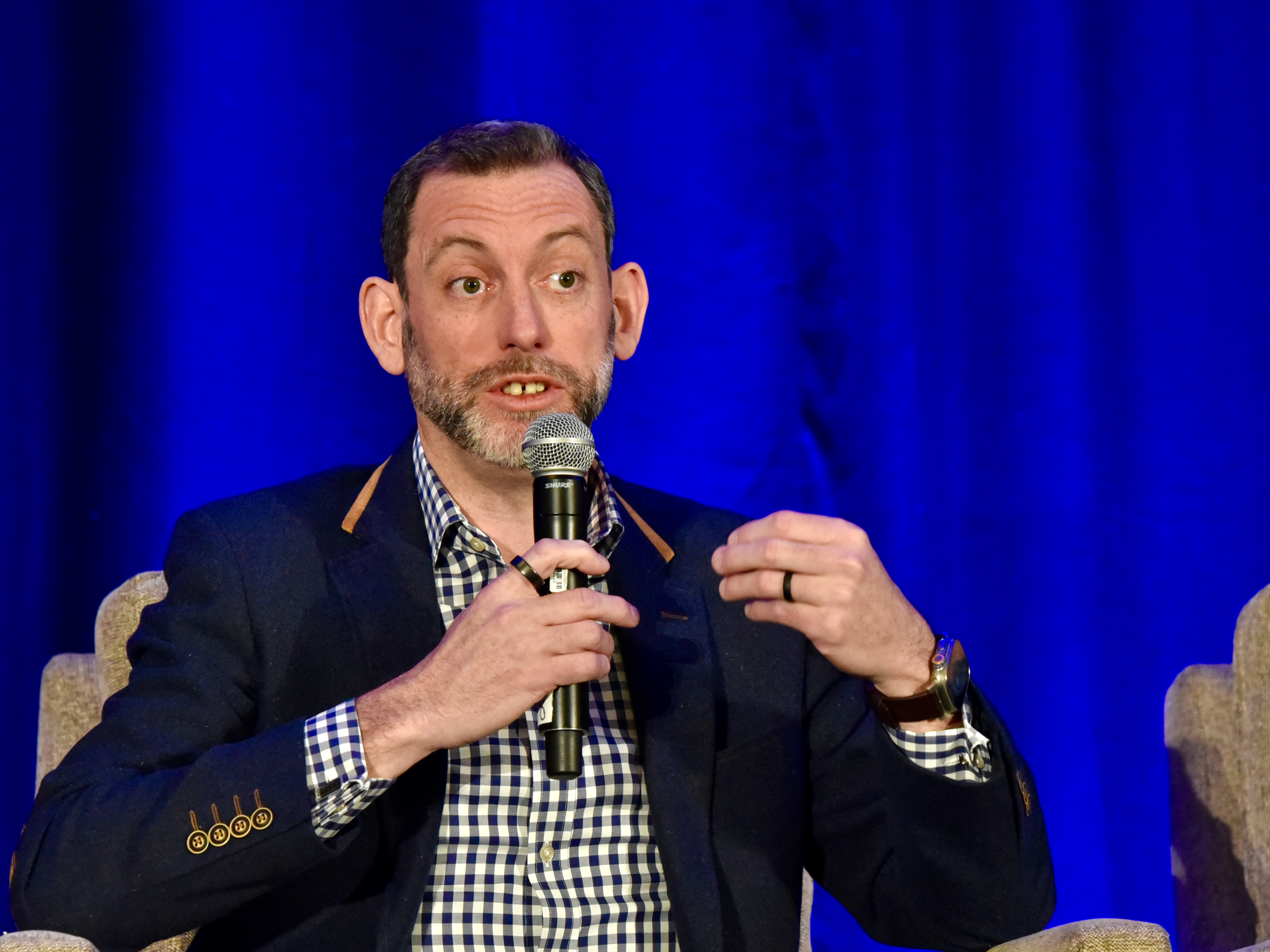
"We don't want to create a two-year program to try and realize the business value. We want to do it in what we call a minimal, lovable product (yes, that's an official AWS term!), which we can deliver in four to six weeks to show a tangible business value... We tie that to the KPIs of the manufacturers—yields, quality, inventory—what is the KPI that's going to impact revenue? And from there, we work backwards." — Steve Blackwell, AWS
Axel Lorenz from Siemens reinforced this accelerated timeline, proving that legacy environments are no excuse for sluggish returns:
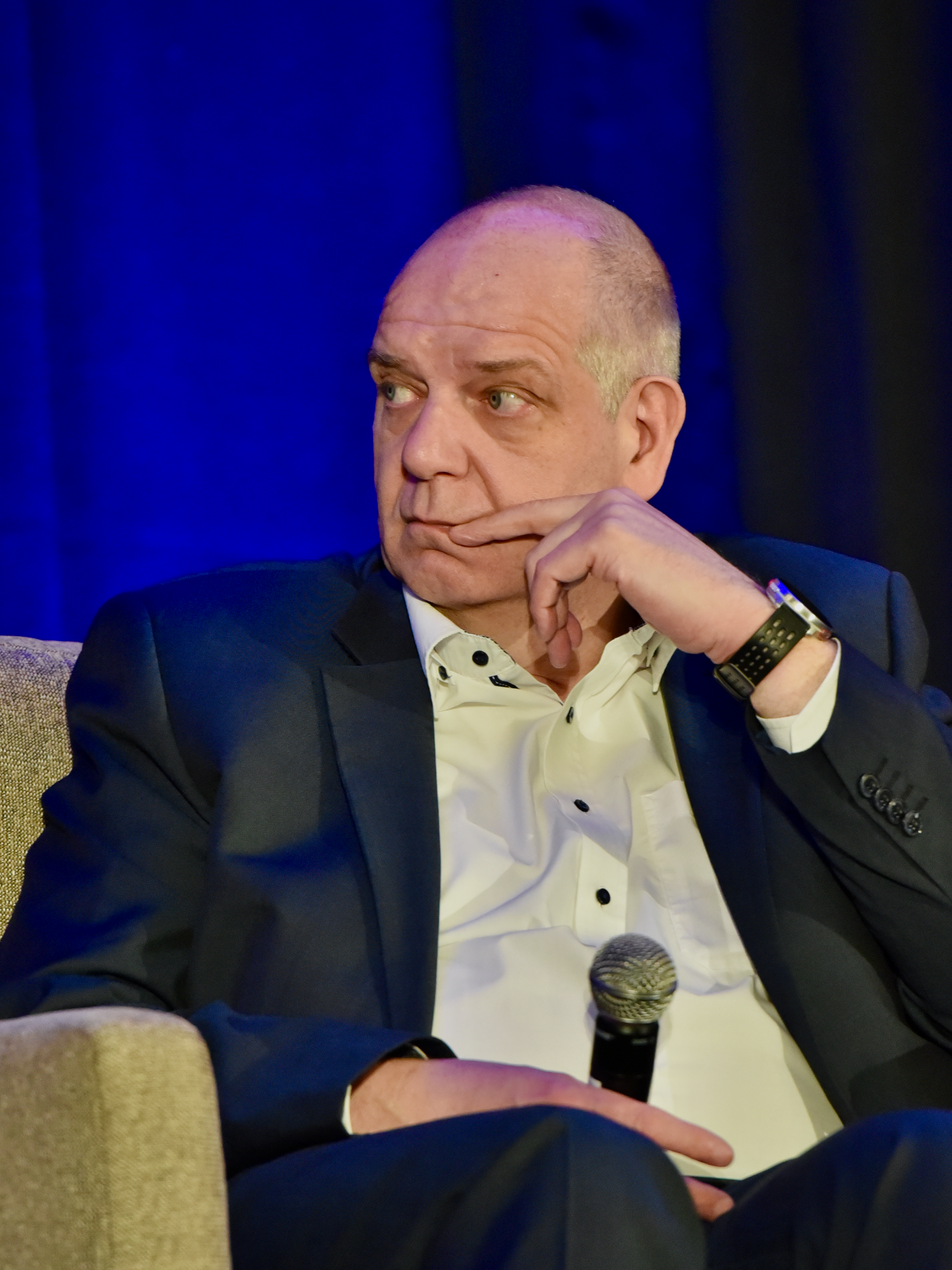
"Using AI and combining it with advanced process control, we could save them around 8 percent of their cost, generating a return on investment in less than a year. So, a project really would finance in the same fiscal year they started it." — Axel Lorenz, Siemens
However, to hit these aggressive ROI targets, you need ruthless governance. Chase from Jabil admitted that his organization has "killed more projects than we put into production" to ensure resources aren't drained in areas that don't quickly show value. He noted that Jabil asks project sponsors to "forecast forward" the expected value and savings to secure funding, holding them accountable for the realization of those benefits.
One of the most striking takeaways from the panel was the sheer interconnectedness of the 2026 industrial landscape. No single vendor is delivering the future of manufacturing alone.
A recurring theme was the tangible value of the Industrial Metaverse. Ashin from PepsiCo revealed a staggering metric: a 25 percent capital reduction at their brownfield Grand Prairie warehouse, generated by increasing throughput via digital twins. Building on their massive technology alliances, PepsiCo relies on partnerships with companies like Siemens to get the foundation right before execution:
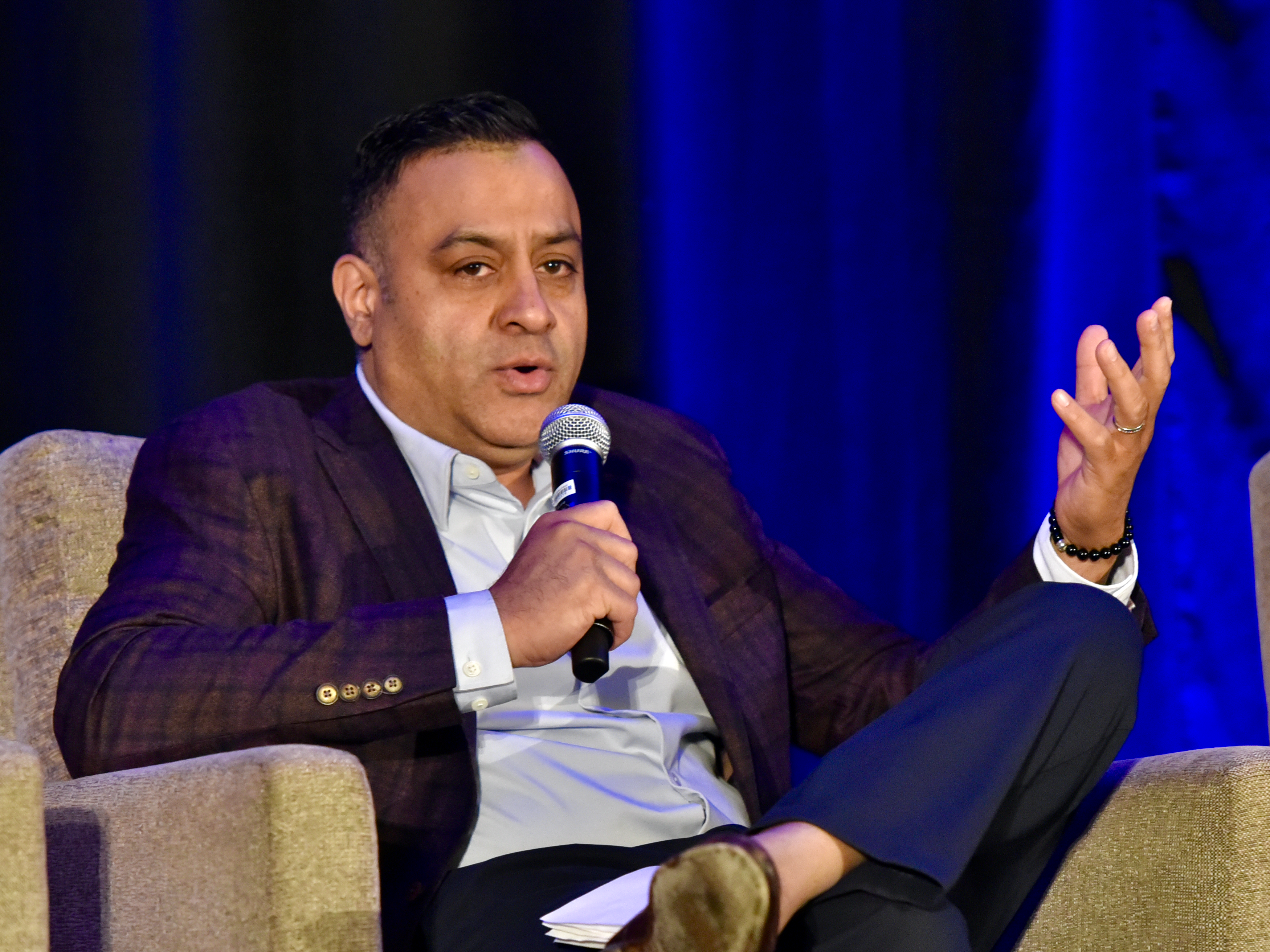
"I look at what we did with Siemens; we spent weeks just making sure we really understood the data. Where are you going to get the data? We took that time up front to make sure we had the right to win." — Ashin Parikh, PepsiCo
Once established, the twin isn't just a 3D model; it is a testing ground. PepsiCo uses the digital twin to virtually place cameras for their intelligent vision systems before physically installing them:
"When we place a camera in the digital twin, we can see what it is actually going to see. We get a high level of confidence that we don't have any blind spots, versus putting cameras in today and having to go back and replace them." — Ashin Parikh, PepsiCo
With mobile robots, edge AI, and Industrial IoT sensors flooding the shop floor, orchestration has become a massive hurdle. Steve Blackwell noted a critical pain point: customers don't want to go from having a server room per factory to managing 50 disconnected industrial PCs running at the line.
The solution is hybrid cloud orchestration and Software-Defined Automation (SDA). Steve highlighted how AWS uses the cloud to manage a "virtual edge," enabling the deployment of machine learning models via Kubernetes directly to the factory floor. Axel Lorenz from Siemens aligned with this vision, noting that this cloud-to-edge orchestration is critical to deploying security patches seamlessly across operations.
The hardware layer is also defined by aggressive partnerships. Chad Wright detailed how Boston Dynamics is leaning on tech giants to power its humanoids:
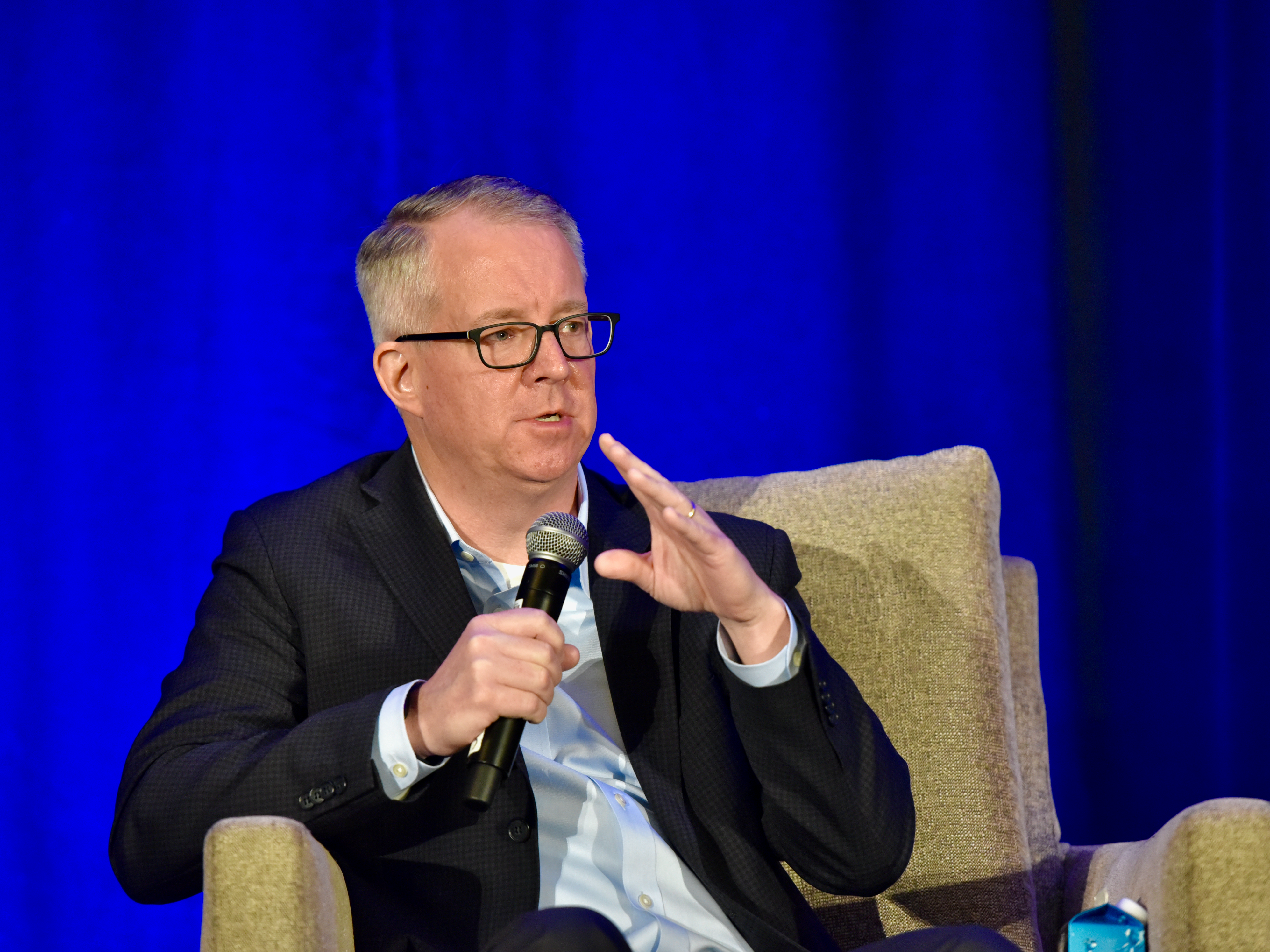
"We're a Google customer. We use Gemini across the board, so putting that Gemini AI brain into the humanoid is just limitless and fascinating... and of course, a big announcement with our agreements with Nvidia and Google DeepMind." — Chad Wright, Boston Dynamics
Steve Blackwell countered by sharing how Amazon is tackling physical AI internally, evolving from their early Kiva acquisition to building robotic foundation models for their fulfillment centers:
"...we actually brought touch into our fulfillment centers and can pick and place products... using RGB cameras and computer vision to identify products and pick and place them as a human would." — Steve Blackwell, AWS
While we often talk about AI in the cloud, Chase from Jabil brought the conversation back down to earth, highlighting that "physics and power are limiting factors" for AI scale.
Jabil collapsed their last data center 12 months ago to migrate fully to AWS, but they are still intimately involved in the physical infrastructure of AI as a manufacturer of server racks. Chase detailed the hardware evolution required to sustain AI:
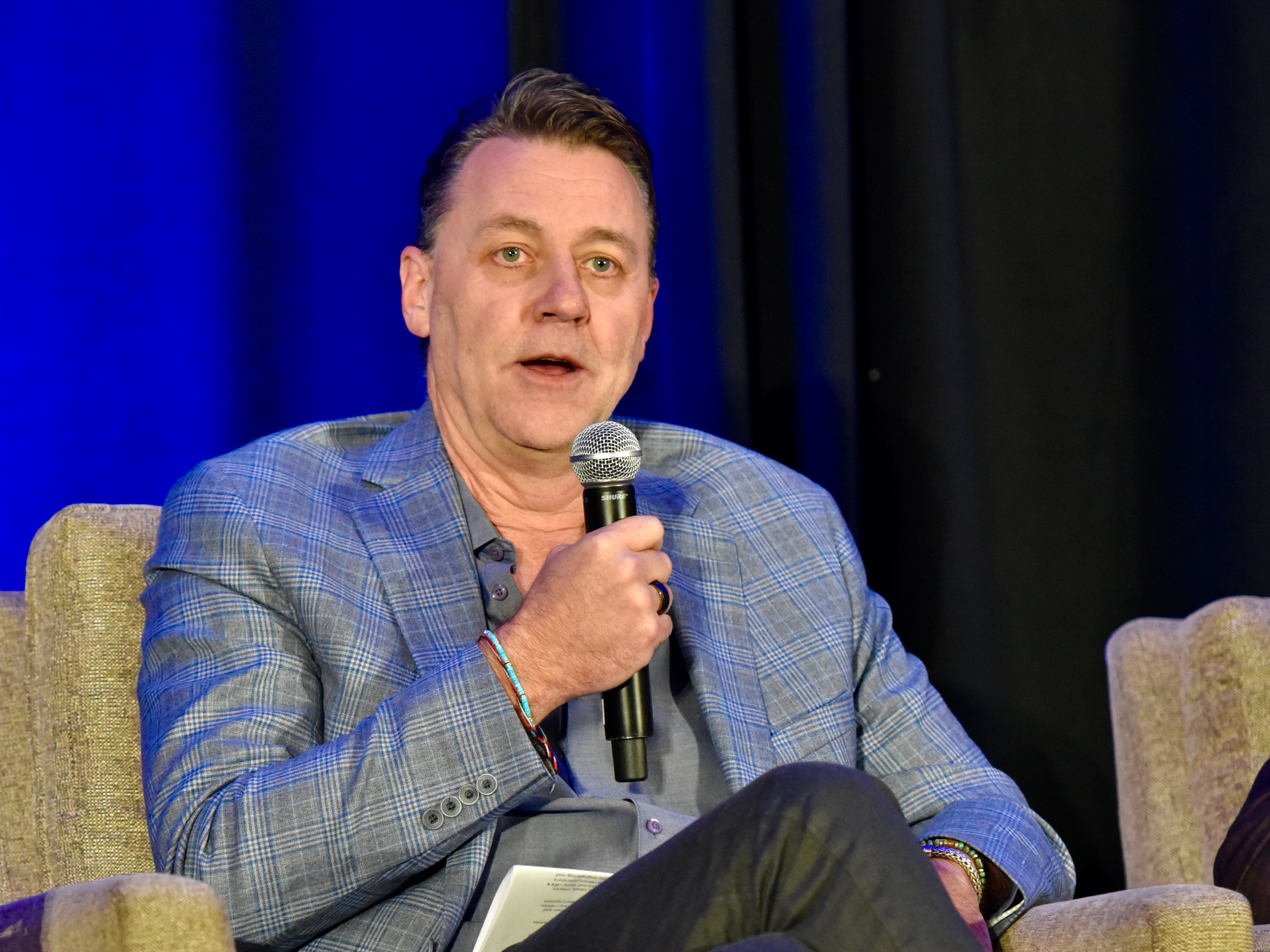
"Silicon Photonics is primary in this focus—using photons to move data rather than electrons. It reduces power consumption and heat. Our investment in liquid cooling focuses on that heat consumption... We just can't produce enough airflow to remove the heat from the racks, so liquid cooling is necessary." — Chase Christensen, Jabil
In The Jabil Playbook, I wrote about the rise of the Synapse Worker. During the panel, Chase expanded on what "human in the loop" actually means on the shop floor: it's about safety and reducing cognitive overload.
"The trust gap is created where there's a lack of safety controls for the human. As long as the human has the ability to override or intervene, then it's production ready." — Chase Christensen, Jabil
He noted that Jabil uses computer vision at the edge to monitor PPE compliance, but more importantly, to relieve operators from the cognitive strain of 100 percent manual product inspection—elevating the employee to focus only on anomalies.
Moving away from static, single-purpose automation, both PepsiCo and Boston Dynamics championed the rise of the general-purpose robot. Ashin argued that traditional steel and bolts on the ground are too rigid and expensive when consumer needs rapidly change.
Chad Wright laid out the exact philosophy driving Boston Dynamics' shift toward humanoids:
"Our world was built and is lived in by humans. We're two-legged and two-armed... having a general-purpose robot that can do many different things is a better investment of your resources, which is why we're so excited about the promise of humanoids." — Chad Wright, Boston Dynamics
Wright also noted that Hyundai (which acquired 80 percent of Boston Dynamics) is deploying humanoids in their Georgia Metaplant later this year to handle material handling and sequencing.
The panel made it abundantly clear: 2026 is about execution. To help the industry navigate this, ARC is doing follow-on research to create an Industrial AI Models Taxonomy. As I shared with the audience, this framework will describe the different AI techniques—from physics-informed neural networks to large behavior models in robotics—across a three-axis model analyzing AI models, use cases, and vertical specificity.
Pilot purgatory is officially over.
The Industrial AI (R)Evolution is moving faster than ever. To dive deeper into the frameworks and data shaping the future of the industrial sector, explore my latest research:
Navigating the AI Wars and the escalating Industrial Robot Wars
Closing the Digital Divide by Embracing Industrial AI
Assembling your Industrial-Grade Data Fabric
Charting the new frontier of Physical Intelligence and transitioning to a Cyber-Physical Industrial Architecture (CPIA)
Mapping your maturity and strategy with ARC's 3-Axis Industrial AI Models Taxonomy
Where do you stand in the Industrial AI (R)Evolution? Take our Industrial AI Assessment to benchmark your organization's maturity, identify critical gaps in your IT/OT/ET convergence, and get actionable recommendations to accelerate your path to becoming an Industrial AI Pacesetter.
Don't guess what your global operations or prospective customers need. Use empirical data to align your stakeholders and de-hype the market with ARC Advisory Group's Voice of Market Service.
For tailored recommendations on governing and guiding major people, process, and technology decisions across the enterprise, cloud, industrial edge, and AI, please contact Colin Masson at [email protected].
Or, set up a meeting with my fellow Analysts and I at ARC Advisory Group to find out more about our Executive Insights Service for Industrial organizations and our Industrial AI Insights Service for Vendors.